
Yongin FC’s Fan Engagement and Matchday Behavior: A Case Study in Hybrid Sports Consumption

Introduction: Match Context and Fan Conversations

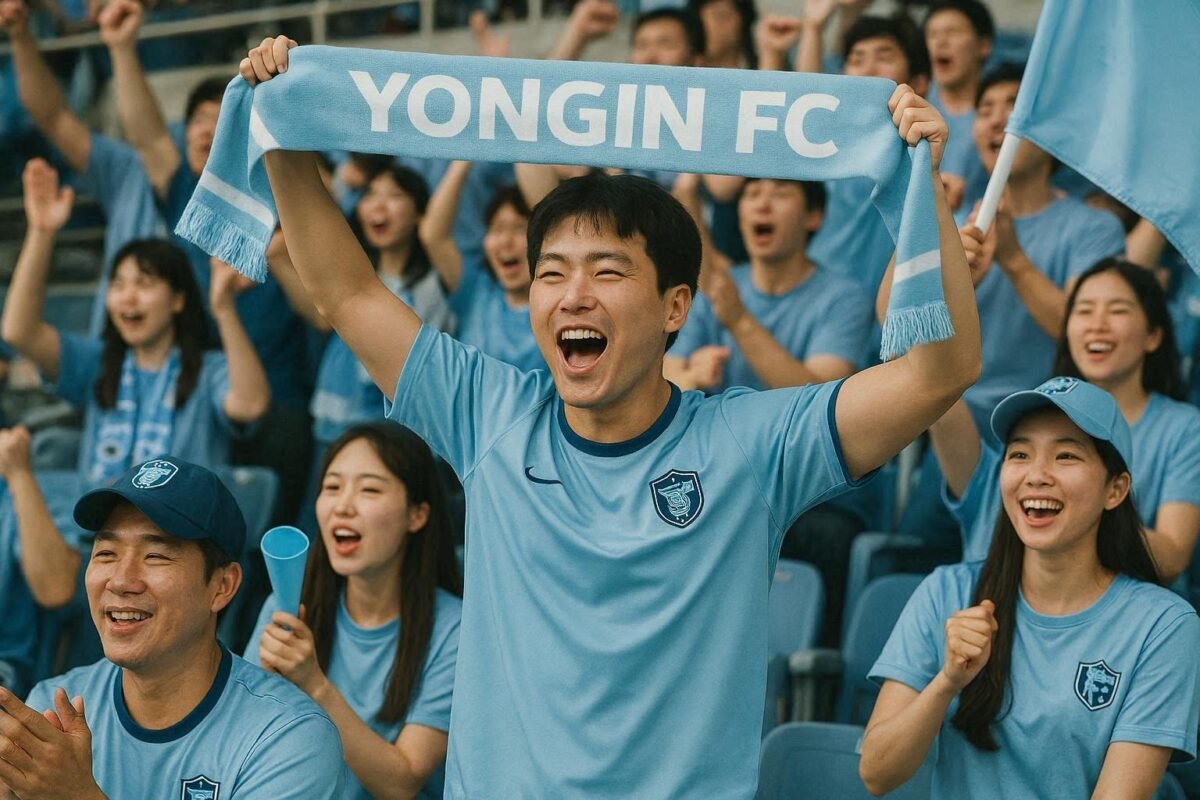
On April 10, Yongin FC suffered a 2–0 defeat to Busan IPark in K League 2. While the result itself was disappointing, the more intriguing story unfolded off the pitch at Yongin Mireu Stadium. With a capacity of 37,155, the venue is one of the largest in Gyeonggi-do, yet attendance patterns revealed something unusual: fans arrived later than expected, left earlier than the final whistle, and increasingly substituted live attendance with digital highlights.

This behavior has sparked discussions among supporters, analysts, and club officials. Yongin FC’s matchday culture is becoming a microcosm of broader shifts in sports consumption, where hybrid engagement — blending in-person rituals with digital convenience — is reshaping how fans experience football. For a deeper look at how the club is experimenting with online-first strategies, see Yongin FC’s Digital Engagement Experiment.

Stadium Capacity vs. Actual Attendance

Yongin Mireu Stadium’s size suggests potential for vibrant atmospheres comparable to Suwon or Seongnam. Yet attendance figures often fall short of capacity. Against Busan IPark, official numbers showed fewer than 15,000 spectators, with noticeable gaps in seating.

The issue is not simply turnout but timing. Observers noted that many fans arrived midway through the first half, and a significant portion departed before the final whistle. Compared to other Gyeonggi-do clubs, Yongin’s matchday rhythm feels compressed, with fans treating attendance as a partial experience rather than a full ritual. For official attendance data and league statistics, see the K League official site.

Behavioral Shifts: Late Arrivals and Early Exits

Why do Yongin fans arrive late and leave early? Several behavioral explanations emerge:

  • Traffic and accessibility: Yongin’s urban sprawl and transport links make punctual arrival challenging.
  • Digital substitution: With highlights available instantly on platforms like Naver Sports and YouTube Football channels, fans feel less pressure to witness every minute live.
  • Lifestyle integration: Match attendance is increasingly treated as one activity among many in a weekend schedule, not the centerpiece of the day.

These behaviors reflect a shift from traditional fandom — where attending the full match was a ritual — to modern consumption, where flexibility and digital access redefine engagement.

Comparing Gyeonggi-do Clubs

When compared to Suwon Samsung Bluewings or Seongnam FC, Yongin’s attendance behavior stands out. Suwon fans typically arrive early, participate in pre-match rituals, and stay until the final whistle, reinforcing a communal identity. Seongnam supporters, though fewer in number, maintain consistent routines.

Yongin’s fans, by contrast, display a more transient engagement. This difference suggests that Yongin’s supporter base is still developing a distinct identity, shaped by the city’s demographics and digital-first culture.

Digital Highlights as a Substitute

The rise of digital highlights is central to Yongin’s fan behavior. Platforms provide instant access to goals, key plays, and tactical breakdowns. For younger fans, this often replaces the need to watch full matches.

This substitution has two effects:

  1. Reduced in-stadium commitment: Fans feel comfortable leaving early, knowing they can catch missed moments online.
  2. Broader reach: Digital platforms extend Yongin FC’s visibility beyond the stadium, engaging fans who may never attend in person.

The challenge for the club is balancing these dynamics — leveraging digital reach while preserving the value of live attendance. For global context, see FIFA’s fan engagement reports.

Matchday Routines: A Compressed Experience

Traditional matchday routines involve arriving early, engaging in chants, buying merchandise, and staying until the end. Yongin’s routines are shorter and more fragmented. Fans often skip pre-match activities, arrive just in time for kickoff, and leave once the result feels decided.

This compressed experience reflects modern time management. Fans juggle work, family, and leisure, treating football as one component rather than the centerpiece. While practical, it dilutes the communal atmosphere that clubs rely on to build identity.

Educational Lens: What Attendance Data Reveals

Attendance data is more than numbers; it reveals cultural patterns. Yongin’s case illustrates three educational insights:

  • Behavioral economics: Fans weigh costs (time, travel, ticket price) against benefits (live atmosphere, social experience).
  • Digital substitution theory: Online highlights reduce the perceived necessity of full attendance.
  • Hybrid engagement models: Modern fandom blends physical presence with digital consumption, creating new norms.

For academic perspectives on sports consumption, see International Journal of Sport Management.

Fan Culture in Transition

Yongin FC’s fan culture is evolving. Unlike established clubs with decades of tradition, Yongin’s supporter base is still forming rituals. Digital-first behaviors are shaping this identity, making Yongin a case study in how new clubs navigate hybrid engagement.

The challenge is fostering loyalty that extends beyond convenience. Without strong rituals, fans risk treating attendance as optional, weakening the communal bonds that sustain clubs.

Club Strategies for Engagement

Yongin FC faces a strategic choice: resist or embrace hybrid engagement. Potential strategies include:

  • Enhanced pre-match experiences: Creating incentives for early arrival, such as fan zones, live music, or interactive activities.
  • Integrated digital platforms: Offering exclusive content that complements live attendance, not replaces it.
  • Community outreach: Building connections with schools, workplaces, and local groups to embed matchday into civic life.

These strategies aim to transform attendance from a fragmented activity into a holistic experience.

Broader Implications for K League 2

Yongin’s case has implications for the league. As digital consumption rises, clubs must adapt to hybrid models. Attendance patterns will increasingly reflect lifestyle integration rather than traditional rituals.

For K League 2, this means rethinking metrics of success. Engagement should be measured not only by stadium numbers but also by digital reach, community impact, and cultural resonance.

Yongin Mireu Stadium: Symbol and Challenge

Yongin Mireu Stadium embodies both potential and challenge. Its size offers opportunities for large-scale atmospheres, but underutilization highlights the gap between capacity and behavior.

The stadium becomes a symbol of modern fandom: impressive infrastructure, yet dependent on evolving cultural patterns. How Yongin fills this space — physically and digitally — will define its identity.

Educational Value: Hybrid Engagement as a Case Study

For readers, Yongin FC offers a case study in hybrid engagement. Attendance data, matchday routines, and digital substitution behaviors reveal how fan culture adapts to modern life.

This case illustrates broader lessons:

  • Sports consumption is no longer binary (attend or not attend).
  • Digital platforms reshape expectations of immediacy and convenience.
  • Local clubs must innovate to sustain communal identity in a fragmented landscape.

Understanding Yongin helps readers grasp how sports ecosystems evolve in the digital age.

Conclusion: The Future of Yongin’s Fan Culture

Yongin FC’s 2–0 loss to Busan IPark was a reminder of on-field challenges, but the real story lies in the stands. Fans arriving late, leaving early, and relying on digital highlights reflect a cultural shift in sports consumption.

For Yongin, the task is clear: embrace hybrid engagement while reinforcing live rituals. The club must transform attendance from a compressed activity into a full communal experience, balancing convenience with identity.

As K League 2 evolves, Yongin’s case will remain instructive. It shows how local sports ecosystems adapt to modern behaviors, offering lessons not only for clubs but for fans, policymakers, and educators. In Yongin, football is more than a game; it is a mirror of how society consumes, connects, and creates culture in the digital age.

When Automation Magnifies Human Bias

Automation is often associated with neutrality. Algorithms do not get tired, emotional, or distracted. They apply rules consistently and at scale. Because of this, automated systems are widely trusted to reduce human error and improve fairness.

What automation actually does is narrower and more subtle. It removes variability in execution, not variability in interpretation. The human biases that shape how people read signals, judge outcomes, and assign meaning do not disappear when systems become automated. Instead, those biases are repeated more quickly, more consistently, and across far more decisions than before.

This is how small cognitive biases grow into persistent patterns.

What Automation Really Standardizes

Automation standardizes process, not perception. It ensures that the same inputs produce the same outputs according to predefined rules. This consistency is valuable at the system level. It reduces randomness in execution and allows large-scale coordination.

But the interpretation of those outputs still happens in the human mind. People decide what results mean, how much confidence to assign them, and how to adjust behavior in response. Automation does not intervene at that stage. It simply supplies outcomes faster and more frequently.

As a result, any bias present in interpretation is exposed to a higher volume of feedback.

Why Small Biases Matter More At Scale

In slow systems, biases have limited reach. A mistaken inference may influence a handful of decisions before time, reflection, or new information intervenes. In automated systems, the same inference can be reinforced dozens or hundreds of times in a short period.

This is not because automation introduces bias. It is because automation removes friction. Friction once acted as a natural brake on repetition. When that brake disappears, even minor distortions in judgment accumulate.

A slight tendency to overweight recent outcomes becomes a strong conviction. A mild preference for patterns becomes certainty. A small confidence boost after success becomes overconfidence. The bias itself did not change. Its exposure rate did.

Consistency Makes Patterns Feel Intentional

Automation also creates an illusion of intention. When outcomes are delivered consistently by a system, people infer purpose. Repeated results feel designed, even when they emerge from neutral rules interacting with random variation.

This is a key misunderstanding. Consistency in process is mistaken for consistency in meaning. People assume that because the system behaves predictably, the outcomes must be signaling something reliable about performance, skill, or correctness.

In reality, automation is indifferent to interpretation. It does not know which outcomes people will treat as evidence. It only ensures that whatever outcomes occur are delivered without interruption.

Why Automation Strengthens Confirmation Bias

Confirmation bias thrives in automated environments. People naturally look for evidence that supports their existing beliefs. When outcomes arrive quickly and continuously, it becomes easier to find reinforcing examples.

Automation supplies a steady stream of data points. The human mind selects from that stream. Wins that fit the story are remembered. Losses that contradict it are explained away or forgotten. Because automation keeps the flow going, the narrative never has to pause for reevaluation. This mechanism aligns with how confirmation bias reinforces itself under repeated feedback rather than correcting misinterpretation.

This dynamic is closely related to why faster feedback increases emotional volatility, where speed amplifies emotional reaction before interpretation can stabilize.

The system feels objective. The interpretation feels personal. The bias deepens quietly.

How Automation Blurs The Line Between Signal And Noise

One of automation’s unintended effects is that it makes noise look like signal. Frequent updates give the impression that each change matters. Movement is mistaken for meaning.

Humans are not well equipped to distinguish random fluctuation from informative change without time and context. Automation removes both. Outcomes are delivered in isolation, stripped of perspective, encouraging the brain to treat each one as a fresh message.

This increases emotional reactivity and decreases calibration. People respond to what just happened, not to what is structurally happening over time.

This limitation is well documented in behavioral research on cognitive bias, where repeated exposure reinforces flawed interpretation rather than correcting it.

Why Bias Feels Like Learning In Automated Systems

Learning requires feedback. Automation provides abundant feedback. The problem is that not all feedback improves understanding.

When biases are reinforced by frequent outcomes, people feel like they are learning because their confidence increases. Familiarity grows. Emotional responses become sharper. Yet accuracy does not necessarily improve.

This creates a false sense of mastery. The system feels transparent. The person feels experienced. The underlying misinterpretation remains intact.

Automation did not make the person less rational. It made the feeling of learning easier to access than actual understanding.

What Automation Does Not Correct

Automation does not:

  • Teach people how to interpret uncertainty
  • Reduce overconfidence
  • Distinguish variance from skill
  • Slow emotional reaction
  • Encourage reflection

It assumes those tasks are external to the system. When they are not addressed elsewhere, biases fill the gap.

Why This Matters In Modern Systems

As systems become more automated, the cost of small biases increases. What once influenced a few decisions can now shape entire trajectories. Confidence solidifies faster than insight. Misinterpretation becomes stable behavior.

This is why automated systems can feel simultaneously fair and frustrating. They are consistent in execution but unforgiving in repetition. The same misunderstanding is allowed to play out again and again without interruption.

Understanding how automation amplifies small cognitive biases is not about rejecting technology. It is about recognizing that speed and scale magnify whatever humans bring into the system.

Automation did not change human judgment. It made its consequences louder.

Gyeonggi-do Schools and Media Literacy in Sports Coverage

Introduction

In recent years, the intersection of education and sports culture has taken on new dimensions in Korea. Nowhere is this more evident than in Gyeonggi-do, where several schools—including those in Yongin—have piloted media literacy workshops focused specifically on sports journalism. These workshops are not about teaching students how to play sports or even how to write match reports. Instead, they are designed to help young people understand how headlines, statistics, and highlight clips shape perceptions of matches and athletes.

The initiative reflects a growing awareness of risk factors in digital consumption, teaching youth to distinguish between credible reporting and algorithm-driven sensationalism. It underscores how regional education frameworks intersect with sports culture, preparing future fans to engage responsibly with digital platforms. For readers interested in how youth sports culture intersects with online safety, see Yongin’s youth esports participation and online safety concerns.

Why Sports Journalism Matters in Media Literacy

Sports coverage is one of the most consumed forms of media in Korea. From K League football highlights to KBO baseball statistics, sports journalism permeates television, online platforms, and social media feeds. For students, sports are often their first encounter with mass media narratives. Headlines about dramatic comebacks, viral clips of last-minute goals, or statistical breakdowns of a pitcher’s ERA all shape how young fans perceive the game.

By focusing on sports journalism, Gyeonggi-do schools tapped into a familiar and engaging medium. Students were encouraged to ask: Why does one headline emphasize controversy while another highlights teamwork? How do statistics frame a player as successful or struggling? What role do highlight clips play in reinforcing certain narratives? These questions are central to media literacy in the digital age.

Anatomy of a Headline

One of the first exercises in the workshops involved dissecting headlines. Students compared different headlines covering the same match. For example, one headline might read, “Bluewings Collapse in Final Minutes,” while another might say, “Gimpo FC Triumphs with Tactical Discipline.” Both describe the same event but frame it differently.

Through guided discussion, students learned that headlines are not neutral. They are crafted to attract attention, often shaped by editorial priorities or platform algorithms. Understanding this helps young readers resist sensationalism and seek balanced perspectives.

Statistics and the Illusion of Objectivity

Another key component of the workshops was analyzing sports statistics. Numbers appear objective, but the way they are presented can influence perception. A striker with a conversion rate of 15% might be portrayed as inefficient, yet if those goals came in crucial matches, the narrative shifts.

Students were taught to question what statistics are included, what is omitted, and how context matters. This exercise highlighted the importance of critical thinking in interpreting data, a skill that extends far beyond sports journalism into broader media consumption.

The Power of Highlight Clips

Highlight clips are among the most popular forms of sports content online. They condense hours of play into seconds of drama, often emphasizing goals, fouls, or controversial referee decisions. Students analyzed how these clips can distort perception by focusing only on sensational moments.

For instance, a highlight reel might suggest a match was chaotic and aggressive, while the full game was largely tactical and disciplined. By recognizing this, students learned to appreciate the difference between entertainment-driven content and comprehensive reporting.

Algorithmic Sensationalism

The workshops also addressed the role of algorithms in shaping sports coverage. Platforms like YouTube, TikTok, and Twitter amplify content that generates clicks, shares, and engagement. This often means sensational headlines, dramatic clips, and polarizing commentary rise to the top.

Educators explained how algorithms can create echo chambers, reinforcing certain narratives while marginalizing others. Students were encouraged to diversify their sources, cross-check information, and be mindful of how digital platforms influence their perceptions. For context, the World Health Organization has emphasized how digital consumption patterns affect youth health and engagement, underscoring the importance of balanced media use.

Regional Education Frameworks and Sports Culture

The initiative in Gyeonggi-do reflects a broader trend in Korean education: integrating media literacy into regional frameworks. By using sports as the entry point, schools connected with students’ interests while addressing critical issues in digital consumption.

This approach also intersects with sports culture. Korea’s vibrant fan communities, from football to baseball to esports, thrive on digital platforms. Preparing future fans to engage responsibly ensures that sports culture remains healthy, inclusive, and resilient.

Case Study: Yongin Schools

Yongin, one of the pilot locations, provided a case study in how media literacy workshops can be implemented. Teachers collaborated with local journalists and university researchers to design modules that combined classroom discussion with practical analysis.

Students were tasked with creating their own sports reports, complete with headlines, statistics, and highlight selections. They then compared their work with professional coverage, identifying differences in framing and emphasis. This hands-on approach reinforced the lessons of critical consumption.

Preparing Future Fans

The ultimate goal of the initiative is not to produce professional journalists but to prepare future fans. In an era where sports fandom is deeply intertwined with digital platforms, responsible engagement is essential. Fans who can distinguish between credible reporting and algorithm-driven sensationalism are less likely to fall into misinformation traps or toxic online debates.

This preparation also strengthens civic culture. Sports are a major part of Korea’s social fabric, and fans who engage responsibly contribute to healthier communities both online and offline.

Global Context

Media literacy in sports coverage is not unique to Korea. Globally, educators are recognizing the importance of teaching students to critically engage with sports media. In Europe, initiatives supported by football associations emphasize responsible consumption of coverage. In the United States, organizations like the National Association for Media Literacy Education promote similar programs.

By situating Gyeonggi-do’s initiative within this global context, we see how local efforts contribute to a worldwide movement toward responsible digital citizenship.

Challenges and Opportunities

While the workshops were successful, challenges remain. Teachers noted that students often default to social media platforms for sports content, where sensationalism dominates. Changing these habits requires sustained effort and reinforcement.

At the same time, opportunities abound. By embedding media literacy into sports coverage, schools can make the subject engaging and relevant. Sports provide a familiar context that makes abstract concepts like algorithmic bias tangible.

Conclusion

The media literacy workshops piloted in Gyeonggi-do schools represent a forward-thinking approach to education. By focusing on sports journalism, educators tapped into students’ interests while addressing critical issues in digital consumption.

Students learned to analyze headlines, question statistics, and critique highlight clips, all while understanding the role of algorithms in shaping perception. These skills prepare them to engage responsibly with digital platforms, strengthening both sports culture and civic life.

For readers, the story underscores how regional education frameworks intersect with sports culture, offering a blueprint for how schools can prepare future fans to navigate the digital age with critical awareness and cultural resilience.

Final Thought: Sports are more than games; they are narratives woven through media. By teaching students to read those narratives critically, Gyeonggi-do schools are not only shaping better fans but also cultivating responsible digital citizens.


Yongin FC’s Digital Engagement Experiment


Introduction

Yongin FC’s recent K League 2 fixture drew attention not only for the result on the pitch but for the club’s innovative use of interactive fan polls during live broadcasts. Fans were asked to predict substitution timings and tactical shifts, with results displayed in real time. This experiment highlights how behavioral data from fan participation can shape broadcast narratives, offering insight into the evolving relationship between sports audiences and digital platforms.

Background: Digital Transformation in Korean Football

Korean football has increasingly embraced digital engagement strategies. Clubs across K League 1 and K League 2 are experimenting with fan-centered initiatives, ranging from augmented reality match previews to interactive voting systems. Yongin FC’s experiment stands out because it integrates fan input directly into the live broadcast, creating a participatory model that blurs the line between spectatorship and production.

Mechanics of the Experiment

During the match, Yongin FC partnered with broadcasters to embed live polls into the streaming interface. Fans could vote on questions such as:

  • When will the first substitution occur?
  • Which player should be introduced to change the tactical balance?
  • Will Yongin shift to a more defensive or attacking shape in the final 20 minutes?

Results were displayed in real time, allowing commentators to reference fan predictions during the broadcast. This created a feedback loop where audience sentiment influenced narrative framing, making fans feel like active participants rather than passive viewers.

Behavioral Data and Broadcast Narratives

The experiment illustrates how behavioral data can shape broadcast narratives. By analyzing fan responses, broadcasters gain insight into audience expectations and emotional engagement. This data can be used to adjust commentary, highlight tactical debates, and even inform post-match analysis. In essence, fan participation becomes part of the storytelling process, enriching the broadcast with collective intelligence.

Local Identity and Citizen Engagement

For YonginInsider readers, the story illustrates how local clubs are testing participatory engagement models that reflect broader shifts in Korean sports media ecosystems. Yongin FC’s initiative resonates with the city’s emphasis on community-driven sports culture. By involving fans in tactical discussions, the club deepens civic engagement and strengthens its identity as a community institution.

For more on Yongin’s grassroots sports initiatives, see
Yongin FC Futsal Tournaments Deepen Citizen Engagement.

Comparisons with Global Practices

Globally, sports organizations are experimenting with similar models. The NBA has tested interactive fan voting during All-Star games, while European football clubs have introduced second-screen experiences that allow fans to influence camera angles or access tactical overlays. Yongin FC’s experiment aligns with these trends, positioning K League 2 as a space for innovation in fan engagement.

External references:

Educational Insight: Media Literacy and Fan Culture

The experiment also offers educational insights. By participating in polls, fans learn to think critically about tactical decisions and substitution strategies. This enhances media literacy, encouraging audiences to engage with the game beyond surface-level entertainment. It also fosters a culture of debate and analysis, strengthening the intellectual dimension of sports fandom.

Challenges and Limitations

Despite its promise, the experiment faces challenges. Ensuring that polls are representative of the broader fan base is difficult, as digital participation may skew toward younger demographics. There is also the risk of overemphasizing fan sentiment at the expense of professional analysis. Balancing participatory engagement with expert commentary will be crucial for the model’s sustainability.

Implications for Sports Media Ecosystems

Yongin FC’s initiative reflects broader shifts in Korean sports media ecosystems. As digital platforms become central to sports consumption, clubs and broadcasters must adapt to participatory models. This requires rethinking traditional hierarchies of production, where fans are no longer passive consumers but active contributors to the narrative. The experiment underscores the need for policies and frameworks that support inclusive and transparent engagement.

Future Directions

Looking ahead, Yongin FC could expand the experiment by integrating predictive analytics, allowing fans to compare their predictions with actual outcomes. Gamification elements, such as leaderboards or rewards for accurate predictions, could further enhance engagement. Collaborations with sponsors could also create new revenue streams, linking fan participation to commercial opportunities.

Conclusion

Yongin FC’s digital engagement experiment marks a significant step in the evolution of Korean football. By integrating fan polls into live broadcasts, the club has created a participatory model that enriches the viewing experience and deepens community engagement. The initiative highlights how behavioral data can shape broadcast narratives, offering valuable insights into the relationship between sports audiences and digital platforms.

For YonginInsider readers, the story underscores the importance of local clubs in testing innovative engagement models that reflect broader shifts in sports media ecosystems. As K League 2 continues to evolve, Yongin FC’s experiment may serve as a blueprint for how digital participation can transform the culture of sports broadcasting in Korea and beyond.

Yongin’s Youth Esports Participation and Online Safety Concerns

Introduction

Local reports from Gyeonggi-do highlight a growing trend: youth esports clubs are flourishing, particularly in Yongin-based community centers. While this surge in participation reflects enthusiasm for digital sports ecosystems, parents and educators are voicing concerns about screen time, online risks, and platform credibility. The story of Yongin’s youth esports scene is not only about competition—it is about balancing opportunity with responsibility.

Rising Participation in Yongin

Community centers across Yongin have embraced esports as a way to engage young people. Clubs provide structured environments where students can practice, compete, and socialize. For many, esports offers a sense of belonging and identity, connecting them to peers with similar interests. The accessibility of online platforms and the popularity of games like League of Legends, FIFA, and Overwatch have fueled this growth.

Parents acknowledge the benefits: teamwork, strategic thinking, and digital literacy. Yet they also worry about excessive screen time and the potential for unhealthy habits. Educators, meanwhile, see esports as a tool for engagement but emphasize the need for balance with academic responsibilities.

Behavioral Angle: Risks in Digital Ecosystems

The rise of esports participation underscores how youth engagement with digital sports ecosystems requires awareness of risks. Toxic chat environments, misinformation, and overexposure are common concerns. While esports can foster community, it can also expose young players to negative behaviors that undermine well-being.

Parents and educators stress the importance of monitoring online interactions. Toxicity in chat rooms, cyberbullying, and exposure to inappropriate content are risks that cannot be ignored. Misinformation, particularly in online forums, can shape perceptions and behaviors in harmful ways. Overexposure to screens raises questions about physical health, sleep patterns, and social development.

Platform Credibility and Regulation

Another concern is platform credibility. With esports relying heavily on online platforms, questions arise about how these platforms regulate content and protect users. Communities in Yongin are increasingly aware of debates surrounding online platform regulation, recognizing that esports participation intersects with broader digital governance issues.

For readers interested in how regulation debates affect sports media ecosystems, see
Yongin Insider: Online Platform Regulation Act Debate and Sports Media Ecosystems.

Educational Insight: Connecting Local Identity to Digital Responsibility

For YonginInsider readers, this story connects local identity to broader questions of responsible digital engagement. Esports is not just a pastime—it is a cultural phenomenon that reflects how communities adapt to digital realities. By fostering esports participation while promoting media literacy and online safety, Yongin can build a model for responsible digital engagement.

Educational programs that teach media literacy, critical thinking, and online etiquette are essential. These initiatives help young players understand the risks of misinformation, recognize toxic behaviors, and develop strategies for healthy digital participation. By embedding these lessons into esports clubs, Yongin can ensure that enthusiasm for digital sports is matched by awareness of responsibilities.

Community Responses

Parents in Yongin are forming support networks to share strategies for managing screen time and monitoring online activity. Schools are exploring ways to integrate esports into extracurricular programs while emphasizing balance. Community centers are partnering with local organizations to provide workshops on online safety and digital literacy.

These responses reflect a proactive approach: rather than resisting esports, communities are embracing it while addressing risks. This balance is crucial for sustaining enthusiasm without compromising well-being.

Global Comparisons

Globally, youth esports participation has raised similar concerns. In the United States, schools have introduced esports programs alongside digital citizenship curricula. In Europe, organizations emphasize safe online environments and parental involvement. Yongin’s experience aligns with these global trends, showing that local identity can shape responses to universal challenges.

External references:

Balancing Enthusiasm and Awareness

The behavioral angle of esports participation is clear: enthusiasm must be balanced with awareness. Communities must recognize both the opportunities and risks of digital sports ecosystems. By fostering safe environments, promoting media literacy, and encouraging responsible engagement, Yongin can ensure that esports participation strengthens rather than undermines youth development.

Parents and educators play a critical role in this balance. Their involvement ensures that young players benefit from esports while avoiding pitfalls. Structured programs, clear guidelines, and open communication are essential tools for achieving this balance.

Policy and Civic Frameworks

Yongin’s civic frameworks support community-level sports education, and esports is becoming part of this landscape. Policies that emphasize inclusivity, safety, and digital literacy are crucial for sustaining esports participation. Civic engagement ensures that esports is not just a private pastime but a public initiative that reflects community values.

By integrating esports into civic frameworks, Yongin can build a model that combines local identity with global relevance. This approach ensures that esports participation contributes to community development while addressing digital challenges.

Conclusion

Yongin’s youth esports participation highlights both opportunities and concerns. Rising engagement reflects enthusiasm for digital sports ecosystems, but parents and educators emphasize the need for awareness of risks such as misinformation, toxic chat environments, and overexposure. Platform credibility and regulation debates further underscore the importance of responsible digital engagement.

For YonginInsider readers, the story connects local identity to broader questions of online safety and media literacy. By fostering esports participation while promoting responsible digital engagement, Yongin can build a model for communities worldwide. The challenge is clear: balance enthusiasm with awareness, ensuring that esports strengthens rather than undermines youth development.

Debate Over Olympic Broadcasting Rights and Public Access

Introduction: A Historic Break in Tradition

For the first time in over six decades, South Korean audiences were unable to watch the Winter Olympics on terrestrial television. The Milano Cortina 2026 Games aired exclusively through paid platforms, leaving millions without access to what has long been a shared national experience. The absence of free coverage sparked controversy, prompting lawmakers and civic groups to question how exclusive broadcasting contracts affect public access.

This debate is not simply about television rights—it is about cultural equity, audience trust, and the role of regulatory frameworks in shaping how citizens engage with global sporting events.

Context: The 2026 Winter Olympics Controversy

Since the 1960 Squaw Valley Winter Olympics, Koreans have relied on free-to-air broadcasts to experience the Games. These broadcasts were more than entertainment; they were cultural rituals, moments of collective pride, and opportunities for families to gather around the screen.

The 2026 Games broke that tradition. Exclusive contracts meant that only subscription-based platforms carried coverage, excluding those who depended on terrestrial channels. Civic groups argued that this exclusion undermined the principle of universal access to events of national and cultural significance.

Behavioral and Cultural Angle: Trust and Risk Awareness

The controversy highlights how audience trust and risk awareness are shaped by regulatory frameworks. Fans accustomed to free access felt excluded, leading to frustration and skepticism about the fairness of broadcasting policies.

Key behavioral insights include:

  • Trust in Institutions: Audiences expect regulators to safeguard access to culturally significant events. When that trust is broken, confidence in both government and broadcasters erodes.
  • Risk Awareness: Fans now recognize the risk of exclusion when contracts prioritize commercial gain over public interest. This awareness fuels calls for reform.
  • Information Equity: The debate underscores the importance of equitable access to information. Sports broadcasts are not just entertainment; they are cultural narratives that shape national identity.

The exclusion of free-to-air audiences sparked discussions about fairness, equity, and the democratic principle that cultural goods should not be restricted by economic barriers.

Legal Structures: Broadcasting Act and Public Interest

At the heart of the debate is South Korea’s Broadcasting Act, which governs how rights are acquired and distributed. Currently, exclusive contracts allow private broadcasters or streaming platforms to secure coverage, often prioritizing profit over accessibility.

Lawmakers are now considering reforms to classify certain events—such as the Olympics, World Cup, and Asian Games—as “public goods.” This would require at least partial free-to-air coverage, ensuring that all citizens can access these events regardless of income.

Questions under consideration include:

  • Should universal viewing rights be guaranteed by law?
  • How should regulators balance commercial contracts with public interest?
  • What role should the Ministry of Culture, Sports and Tourism play in negotiating rights to protect accessibility?

For a broader look at how regulation intersects with sports media ecosystems, see this analysis of the Online Platform Regulation Act debate.

International Comparisons: Listed Events Policies

South Korea is not alone in facing this dilemma. Many countries have implemented “listed events” policies to protect public access:

  • United Kingdom: The Broadcasting Act designates events like the FIFA World Cup and the Olympics as “listed events,” requiring free-to-air coverage. See Ofcom’s guidance on listed events here.
  • Germany: Public broadcasters are guaranteed rights to major tournaments, reflecting the principle of universal access.
  • Australia: The Anti-Siphoning List ensures that culturally significant sports are available on free television before pay-TV providers can bid. Details are available from the Australian Communications and Media Authority here.

These examples demonstrate that regulatory frameworks can balance commercial interests with public rights, offering models for South Korea to consider.

Educational Insight: Media Literacy and Policy Awareness

For YonginInsider readers, this debate provides a case study in how legal structures intersect with user behavior. Media literacy and awareness of broadcasting policy are essential to understanding sports engagement.

Key lessons include:

  • Media Literacy: Audiences must understand how contracts and regulations shape access. Awareness empowers citizens to demand fairness.
  • Policy Awareness: Recognizing the role of laws like the Broadcasting Act helps fans see the connection between regulation and cultural equity.
  • Cultural Impact: Exclusion from broadcasts affects not only individual fans but also collective identity, weakening shared cultural rituals.
  • Democratic Principles: Universal access reflects the democratic ideal that cultural goods should be available to all, not restricted by economic barriers.

By examining the 2026 controversy, readers gain insight into why regulatory frameworks matter and how they shape everyday experiences of sports engagement.

Civic Groups and Public Pressure

Civic groups have played a central role in pushing for reform. They argue that exclusive contracts undermine cultural rights and call for stronger government intervention. Public petitions and media campaigns have amplified the issue, framing it as a matter of cultural justice rather than mere entertainment.

This grassroots pressure reflects a broader trend: citizens are increasingly aware of how media policies affect their daily lives, and they are willing to demand change.

Broader Implications: Sports, Media, and Democracy

The debate over Olympic broadcasting rights is emblematic of broader questions about media and democracy. In an era dominated by streaming platforms, access to cultural goods is increasingly commodified. Without regulatory safeguards, inequality in access becomes entrenched, undermining the democratic principle of shared cultural participation.

Sports, by their nature, transcend individual consumption. They are collective experiences, binding communities and nations. Ensuring public access is not merely a legal issue—it is a democratic imperative.

Conclusion: A Call for Reform

The absence of terrestrial coverage for the Milano Cortina 2026 Winter Olympics marked a historic break in South Korea’s broadcasting tradition. In response, lawmakers and civic groups are questioning how exclusive contracts affect public access, highlighting the need for reform.

For YonginInsider readers, the lesson is clear: media literacy and policy awareness are essential to understanding sports engagement. Broadcasting rights are not just about contracts; they are about cultural identity, democratic principles, and the role of law in safeguarding shared experiences.

As South Korea considers reforms, the challenge will be to balance commercial realities with the universal right to engage in the cultural moments that define a nation.

KBO Opening Week: Fan Behavior and Digital Consumption Patterns

Introduction: Baseball Returns, Fans Adapt

The crack of the bat and roar of the crowd signaled the return of the Korea Baseball Organization (KBO) season, and opening week did not disappoint. Attendance figures were strong across stadiums, with KT Wiz games in Suwon drawing particularly enthusiastic crowds. Yet beyond the turnstiles, another story unfolded: digital consumption surged. Online streaming platforms reported spikes in viewership, while social media chatter around KT Wiz and other clubs dominated feeds on Naver Sports and Twitter/X.

This duality—physical attendance and digital engagement—captures the evolving nature of fan behavior in Gyeonggi-do and across Korea. Baseball remains a communal ritual, but the way fans consume and interpret the game is increasingly fragmented across platforms.

Context: KT Wiz and the Digital Buzz

KT Wiz, based in Suwon, Gyeonggi-do, has emerged as a focal point of opening week. Their games not only drew strong stadium attendance but also generated significant online traffic. Streaming platforms reported peak concurrent viewers during key innings, while highlight clips circulated widely on social media.

For KT Wiz, this digital buzz is both a reflection of their growing fan base and a sign of how modern fandom operates. The team’s performance is no longer judged solely by wins and losses but also by the volume of online engagement—tweets, clips, memes, and fan commentary.

Behavioral Angle: Multi-Screening as the New Normal

Analysts note that fans increasingly engage in multi-screen behavior. A typical fan might watch a game on television or a streaming platform while simultaneously scrolling through Naver Sports updates, posting reactions on Twitter/X, or sharing highlight clips on KakaoTalk.

This dual behavior reflects a broader shift in sports consumption:

  • Information Ecosystems: Fans rely on real-time updates, stats, and commentary to shape their perception of performance.
  • Highlight Culture: Short clips often drive more engagement than full-game broadcasts, especially among younger fans who prefer bite-sized content.
  • Community Interaction: Social media platforms serve as virtual stadiums, where fans debate calls, celebrate home runs, and critique strategies in real time.

The result is a layered experience: the game itself, the digital conversation around it, and the cultural narratives that emerge from both. For a related perspective on how regulation intersects with fan behavior, see KBO Pace-of-Play Rules and Fan Behavior.

The Rise of Highlight-Driven Engagement

One of the most striking trends is the dominance of highlight clips. A spectacular catch or clutch home run can generate thousands of shares within minutes, often eclipsing the reach of the full broadcast. For broadcasters and teams, this poses both opportunities and challenges:

  • Opportunities: Highlights extend the reach of the game, attracting casual fans who may not watch full broadcasts.
  • Challenges: Fragmented consumption can reduce incentives to watch entire games, potentially impacting advertising models tied to long-form viewing.

For KT Wiz, highlight-driven engagement has amplified their visibility, but it also underscores the need to adapt marketing strategies to a digital-first audience.

Educational Insight: Fragmented Consumption and Cultural Impact

For YonginInsider readers, the story illustrates how sports consumption is increasingly fragmented across platforms. Understanding this behavior is crucial for interpreting the cultural impact of baseball in Gyeonggi-do:

  • Fragmentation: Fans consume content in pieces—live innings, highlight reels, social media debates—rather than as a single narrative.
  • Cultural Narratives: Digital platforms shape how performances are remembered. A viral clip can define a player’s reputation more than a box score.
  • Regional Identity: For KT Wiz and Gyeonggi-do, digital engagement extends local pride beyond the stadium, creating a global audience for regional baseball.
  • Policy Implications: Teams and leagues must adapt to fragmented consumption, balancing traditional broadcasting with digital strategies.

This fragmentation does not diminish baseball’s cultural role; rather, it expands it, embedding the sport into multiple layers of daily life.

Case Study: KT Wiz Fans in Suwon

Opening week highlighted how KT Wiz fans embody this dual behavior. In Suwon, stadium attendance was robust, with families and young fans filling seats. Yet online, the conversation was equally vibrant. Hashtags related to KT Wiz trended on Twitter/X, while Naver Sports forums buzzed with tactical debates.

This dual engagement reflects the modern fan identity: physically present in the stadium, digitally active in the broader conversation. For KT Wiz, this means their cultural footprint extends far beyond Suwon, shaping perceptions across Korea and even internationally.

Broader Trends in KBO Consumption

The KT Wiz example is part of a larger KBO trend:

  • Streaming Growth: Platforms like Naver Sports and Coupang Play report rising subscriptions and concurrent viewers.
  • Social Media Integration: Teams actively promote highlights and behind-the-scenes content to drive engagement.
  • Youth Engagement: Younger fans prefer digital-first consumption, often prioritizing clips and memes over full broadcasts.
  • Global Reach: International fans access highlights through KBO’s Official Website and the KBO YouTube Channel, expanding the league’s cultural influence.

These trends highlight how the KBO is adapting to a fragmented media landscape, balancing traditional broadcasting with digital innovation.

Challenges for Teams and Broadcasters

While digital engagement offers opportunities, it also raises challenges:

  • Revenue Models: Traditional advertising tied to full broadcasts may decline as highlight-driven consumption grows.
  • Content Control: Teams must balance official highlight releases with fan-generated clips, ensuring brand consistency.
  • Fan Expectations: Multi-screening creates demand for real-time updates, requiring investment in digital infrastructure.
  • Cultural Equity: Ensuring that digital access does not exclude older fans or those less comfortable with technology is essential.

For KT Wiz and other KBO teams, navigating these challenges will be central to sustaining fan engagement.

Educational Takeaway: Why Audience Behavior Matters

For YonginInsider readers, the key takeaway is that audience behavior shapes cultural impact. Baseball is not only played on the field; it is consumed, debated, and remembered across platforms. Understanding how fans engage—multi-screening, highlight sharing, social media debating—provides insight into how the sport influences regional identity and cultural narratives.

In Gyeonggi-do, KT Wiz’s digital buzz illustrates how local teams can become cultural symbols, extending their influence beyond stadium walls. For policymakers, broadcasters, and teams, recognizing these patterns is crucial for sustaining baseball’s role in Korea’s cultural landscape.

Conclusion: Baseball in the Digital Age

The KBO’s opening week showcased not only strong attendance but also the evolving nature of fan behavior. KT Wiz games in Suwon highlighted how digital consumption—streaming spikes, social media chatter, highlight-driven engagement—now defines the cultural footprint of baseball.

For YonginInsider readers, the lesson is clear: sports consumption is fragmented, multi-layered, and deeply embedded in digital ecosystems. Understanding these patterns is essential for interpreting baseball’s cultural impact in Gyeonggi-do and beyond. Baseball remains Korea’s communal ritual, but in the digital age, it is also a mosaic of clips, tweets, and conversations that shape how the game is experienced and remembered.

Chungcheong–Gyeonggi Regional Sports Engagement Study: Digital Innovation and Community Sports Culture

Introduction

In recent months, regional coverage has highlighted how civic projects in Gyeonggi-do—most notably Suwon’s Innovation Valley—are reshaping community engagement with sports and digital culture. These initiatives are not simply about building infrastructure; they are about creating collaborative digital spaces and smart systems that influence how residents interact with sports content, community events, and one another.

The Chungcheong–Gyeonggi Regional Sports Engagement Study provides a timely case study in how urban development and digital ecosystems intersect with sports engagement, shaping behavioral patterns in local communities. For Yongin, a city deeply connected to Gyeonggi-do’s innovation networks, these shifts offer residents new frameworks for participating in sports culture both physically and digitally.

Background: Civic Projects and Sports Engagement

Urban development in Korea increasingly integrates sports and digital culture. Projects like Suwon’s Innovation Valley emphasize:

  • Smart Infrastructure: Facilities equipped with digital connectivity, enabling real-time data sharing and interactive experiences (Korea Herald).
  • Collaborative Spaces: Community hubs where residents can engage with sports content, esports, and cultural programming.
  • Digital Ecosystems: Platforms that connect physical sports events with online fan communities, creating hybrid engagement models (Yonhap News (en.yna.co.kr in Bing)).

These initiatives reflect a broader trend: sports are no longer confined to stadiums or gyms. They are embedded in digital networks that extend into everyday life.

Analytical Angle: Infrastructure Meets Digital Culture

1. Collaborative Digital Spaces

Community projects increasingly emphasize digital collaboration.

  • Sports Apps: Platforms allow residents to track local events, join recreational leagues, and share highlights.
  • Esports Integration: Digital hubs host esports tournaments alongside traditional sports, bridging generational divides.
  • Fan Communities: Online forums and social media groups amplify local sports culture, fostering civic pride (InsideTheGames).

These spaces blur the line between physical and digital engagement, creating holistic ecosystems.

2. Smart Infrastructure

Smart infrastructure transforms how residents experience sports.

  • Connected Venues: Stadiums and gyms equipped with sensors and digital displays enhance fan experiences.
  • Data Analytics: Real-time tracking of performance and attendance informs community planning.
  • Accessibility: Smart systems ensure inclusive participation, accommodating diverse needs.

Infrastructure is no longer passive; it actively shapes engagement patterns.

3. Behavioral Shifts

Digital ecosystems influence how communities interact with sports.

  • Hybrid Participation: Residents attend events physically while engaging digitally through apps and social media.
  • Cultural Integration: Sports events incorporate digital art, music, and interactive programming.
  • Civic Identity: Engagement fosters a sense of belonging, reinforcing regional identity.

These shifts highlight the interplay between technology, culture, and community.

Educational Takeaway: Urban Development and Sports Engagement

For readers, the study underscores the importance of understanding how urban development intersects with sports culture:

  1. Digital Ecosystems Extend Sports Beyond Venues: Engagement now occurs across physical and digital spaces.
  2. Smart Infrastructure Shapes Behavior: Technology influences how residents participate and interact.
  3. Community Identity Is Reinforced Through Engagement: Sports become a vehicle for civic pride and cultural integration.
  4. Media Literacy Is Essential: Residents must navigate digital platforms critically, ensuring credible and safe engagement (OECD Digital Policy).

This case study provides a framework for analyzing how development projects impact community behavior.

Yongin/Gyeonggi-do Relevance

Yongin, as part of Gyeonggi-do, is directly connected to these shifts.

  • Local Innovation: Yongin benefits from regional projects like Suwon’s Innovation Valley, which extend digital infrastructure across Gyeonggi-do.
  • Fan Communities: Residents engage with sports culture through both physical events and digital platforms.
  • Civic Participation: Yongin’s citizens are part of the broader conversation about how regulation and infrastructure shape safe, credible sports ecosystems.

The city’s role highlights how local communities intersect with regional innovation, reinforcing the importance of civic engagement in shaping sports culture. Yongin Insider has explored related themes, such as how online platform regulation influences sports media ecosystems and fan engagement (Yongin Insider). Together, these discussions show how governance and infrastructure combine to shape the rhythm of sports culture in Gyeonggi-do.

Industry and Civic Response

Stakeholders across the region have responded positively to these initiatives:

  • Local Governments: Emphasize the potential of smart infrastructure to boost tourism and civic pride.
  • Sports Organizations: Welcome digital platforms that expand fan engagement and participation.
  • Residents: Appreciate accessible, hybrid models that allow flexible participation.
  • Policy Experts: Highlight the need for balanced regulation to ensure safe and credible ecosystems (Korea JoongAng Daily (koreajoongangdaily.joins.com in Bing)).

This diversity of perspectives reflects the complexity of integrating sports and digital culture into urban development.

Comparative Perspective: Global Trends

The Chungcheong–Gyeonggi study aligns with global trends in sports engagement:

  • United States: Smart stadiums integrate digital connectivity, enhancing fan experiences (ESPN).
  • Europe: Civic projects emphasize cultural integration, blending sports with digital art and community programming (European Commission Digital Strategy (digital-strategy.ec.europa.eu in Bing)).
  • Asia: Cities like Tokyo and Singapore invest heavily in smart infrastructure, creating hybrid sports ecosystems (SCMP).

Korea’s initiatives position the country at the forefront of integrating sports, digital culture, and urban development.

Challenges Ahead

Despite progress, challenges remain:

  • Digital Divide: Ensuring equitable access to digital platforms across demographics.
  • Credibility: Safeguarding against misinformation in digital sports ecosystems.
  • Sustainability: Balancing technological innovation with environmental responsibility.
  • Cultural Balance: Integrating tradition with modernity in sports programming.

Addressing these challenges will be critical to sustaining engagement.

Educational Framework for Readers

To analyze the study, readers can apply the following framework:

  1. Infrastructure Readiness: Are facilities equipped with smart systems?
  2. Digital Ecosystem Integration: Do platforms connect physical and digital engagement?
  3. Community Identity: Does engagement reinforce civic pride and cultural belonging?
  4. Behavioral Patterns: How do residents interact with sports content and events?

This framework empowers readers to critically evaluate how urban development shapes sports culture.

Future Outlook

Looking ahead, the Chungcheong–Gyeonggi Regional Sports Engagement Study suggests several trajectories:

  • Enhanced Engagement: Digital ecosystems will expand participation across demographics.
  • Civic Identity: Sports will continue to reinforce regional identity and pride.
  • Global Influence: Korea’s model may inspire other countries seeking to integrate sports and digital culture.
  • Local Impact: Cities like Yongin will remain central to shaping regional sports ecosystems.

The success of these initiatives will depend on sustained collaboration between governments, organizations, and communities.

Conclusion

The Chungcheong–Gyeonggi Regional Sports Engagement Study highlights the intersection of urban development, digital ecosystems, and sports culture. Projects like Suwon’s Innovation Valley demonstrate how collaborative digital spaces and smart infrastructure reshape community engagement, influencing behavioral patterns and civic identity.

For readers, the case underscores the importance of media literacy and risk awareness in navigating digital sports ecosystems. For Yongin and Gyeonggi-do, these initiatives provide new frameworks for participating in sports culture, both physically and digitally.

As Korea continues to innovate, the region offers a blueprint for how urban development and digital ecosystems can foster safe, credible, and vibrant sports communities.

Online Platform Regulation Act Debate and Sports Media Ecosystems

Introduction

South Korea’s proposed Online Platform Regulation Act has become one of the most hotly debated policy initiatives in recent years. While much of the public discussion has centered on e-commerce, advertising, and social media, the Act’s implications for sports broadcasting and fan engagement are equally significant. As sports consumption increasingly shifts to digital platforms, questions of information credibility, consumer protection, and platform accountability directly shape how fans experience their favorite teams and athletes.

For Yongin and the broader Gyeonggi-do region—areas known for digital innovation and vibrant fan communities—the debate is more than abstract policy. It is a conversation about how regulation can ensure safe, credible, and sustainable sports ecosystems in the digital age.

Background: The Online Platform Regulation Act

The proposed Act seeks to establish clearer rules for digital platforms operating in South Korea. Its goals include:

  • Consumer Protection: Safeguarding users from misinformation, fraud, and exploitative practices.
  • Platform Accountability: Ensuring platforms take responsibility for the content they host and distribute.
  • Information Credibility: Promoting transparency in how information is shared and moderated.

These objectives reflect broader global trends. Governments worldwide are grappling with how to regulate platforms that have become central to commerce, communication, and culture (OECD Digital Policy). In Korea, the debate is particularly relevant to sports, where digital platforms now dominate broadcasting, commentary, and fan interaction.

Sports Media Ecosystems in the Digital Age

Sports coverage has undergone a dramatic transformation in the past decade:

  • Streaming Platforms: Fans increasingly rely on digital services to watch live games, highlights, and replays (Korea Herald).
  • Social Media: Platforms like YouTube, Twitter/X, and TikTok amplify fan engagement, offering instant commentary and viral clips.
  • Fan Communities: Online forums and apps provide spaces for discussion, analysis, and cultural exchange.

These ecosystems thrive on accessibility and immediacy. Yet they also face risks: misinformation, unverified reporting, exploitative monetization, and uneven accountability.

Analytical Angle: Regulation Meets Sports Media

1. Information Credibility

Sports fans demand accurate coverage. Whether it’s a transfer rumor, injury update, or match result, credibility is paramount.

  • Challenge: Unverified reports can spread rapidly, misleading fans and damaging reputations.
  • Regulatory Implication: Platforms may be required to implement stricter verification processes, ensuring that sports content meets credibility standards.
  • Impact on Fans: Greater reliability in sports news could enhance trust, but overregulation might slow the flow of information that fans crave.

2. Consumer Protection

Digital sports platforms often monetize through subscriptions, pay-per-view events, and microtransactions.

  • Challenge: Fans risk being misled by unclear pricing, hidden fees, or fraudulent streams.
  • Regulatory Implication: The Act could mandate clearer disclosures and stronger protections against exploitative practices (Yonhap News (en.yna.co.kr in Bing)).
  • Impact on Fans: Transparency in pricing and service quality would empower consumers, reducing risks of exploitation.

3. Platform Accountability

Platforms play a central role in shaping fan experiences.

  • Challenge: When misinformation spreads or exploitative practices occur, platforms often deflect responsibility.
  • Regulatory Implication: The Act could hold platforms accountable for the sports content they host, requiring proactive moderation and compliance (Korea JoongAng Daily (koreajoongangdaily.joins.com in Bing)).
  • Impact on Fans: Accountability would foster safer ecosystems, but platforms may pass compliance costs onto consumers.

Educational Takeaway: Media Literacy and Risk Awareness

For readers, the debate underscores the importance of media literacy and risk awareness when engaging with sports coverage online.

  • Media Literacy: Fans must learn to distinguish credible sources from unreliable ones, especially in fast-moving sports environments.
  • Risk Awareness: Understanding the risks of misinformation, exploitative monetization, and platform bias helps fans make informed choices.
  • Active Engagement: Regulation can provide safeguards, but fans themselves must remain vigilant, questioning sources and verifying information.

This educational dimension is critical. Regulation alone cannot guarantee safe ecosystems; informed consumers are equally essential.

Yongin/Gyeonggi-do Relevance

Yongin, located in Gyeonggi-do, is a city with strong ties to digital innovation and fan communities.

  • Digital Innovation: Yongin’s tech-savvy population is deeply engaged with digital platforms, making the city a microcosm of national trends.
  • Fan Communities: Local sports fans, particularly those following K League clubs and esports, rely heavily on digital platforms for coverage and engagement.
  • Broader Conversation: Yongin residents are part of the national debate, experiencing firsthand how regulation shapes safe and credible sports ecosystems.

The city’s role highlights how local communities intersect with global governance debates, reinforcing the importance of civic participation in shaping digital futures. Yongin Insider has explored similar themes in sports regulation, analyzing how pace-of-play rules in baseball influence fan behavior and engagement (Yongin Insider). Together, these discussions show how regulation—whether in sports or digital platforms—shapes the rhythm of fan culture.

Industry and Civic Response

Stakeholders across the sports ecosystem have responded to the proposed Act with mixed reactions:

  • Sports Broadcasters: Traditional broadcasters welcome regulation that levels the playing field with digital platforms.
  • Digital Platforms: Companies express concern about compliance costs and potential restrictions on innovation.
  • Fans: Many support measures that enhance credibility and protection, but worry about reduced access or increased costs.
  • Policy Experts: Analysts emphasize the need for balance, ensuring regulation protects consumers without stifling innovation.

This diversity of perspectives reflects the complexity of the issue. No single stakeholder can dictate outcomes; collaboration is essential.

Comparative Perspective: Global Trends

South Korea’s debate mirrors global discussions about platform regulation:

  • United States: Debates focus on Section 230 of the Communications Decency Act, which shields platforms from liability (Electronic Frontier Foundation).
  • Europe: The Digital Services Act emphasizes platform accountability and consumer protection (European Commission (digital-strategy.ec.europa.eu in Bing)).
  • China: Regulations are stricter, with government oversight of digital platforms and content (SCMP).

Korea’s proposed Act positions the country between these models, seeking to balance accountability with innovation. For sports ecosystems, this balance is particularly delicate.

Challenges Ahead

Despite the promise of regulation, challenges remain:

  • Defining Credibility: Establishing clear standards for credible sports content is complex.
  • Balancing Innovation: Regulation must protect consumers without stifling creativity and accessibility.
  • Global Platforms: International platforms may struggle to comply with Korean regulations, complicating enforcement.
  • Fan Expectations: Fans demand immediacy and accessibility, which may conflict with regulatory safeguards.

Addressing these challenges will require ongoing dialogue between regulators, platforms, and fan communities.

Educational Framework for Readers

To analyze the debate, readers can apply the following framework:

  1. Identify Stakeholders: Regulators, platforms, broadcasters, fans.
  2. Understand Goals: Credibility, protection, accountability.
  3. Evaluate Tools: Verification processes, transparency requirements, accountability mechanisms.
  4. Assess Balance: How well does regulation protect consumers without stifling innovation?

This framework empowers readers to critically engage with the debate, enhancing media literacy and risk awareness.

Future Outlook

Looking ahead, the Online Platform Regulation Act will shape Korea’s sports media ecosystems in several ways:

  • Enhanced Credibility: Stricter standards could improve trust in sports coverage.
  • Consumer Empowerment: Transparency and protection measures would reduce risks for fans.
  • Platform Accountability: Holding platforms responsible could foster safer ecosystems.
  • Local Engagement: Cities like Yongin will continue to play a role in shaping national debates, reflecting the intersection of local communities and global governance.

The success of the Act will depend on effective enforcement, industry cooperation, and fan participation.

Conclusion

The debate over South Korea’s Online Platform Regulation Act highlights the complexity of regulating digital ecosystems. For sports media, the stakes are high: credibility, protection, and accountability directly shape how fans consume content.

For readers, the case underscores the importance of media literacy and risk awareness. Regulation can provide safeguards, but informed consumers remain essential. In Yongin and across Gyeonggi-do, residents are part of the broader conversation, experiencing firsthand how regulation shapes safe and credible sports ecosystems.

As Korea navigates this debate, the outcome will not only affect digital platforms but also redefine the future of sports broadcasting and fan engagement in the digital age.

KBO Pace-of-Play Rules and Fan Behavior: How Regulation Shapes the Rhythm of Baseball

Introduction

The Korea Baseball Organization (KBO) entered the 2026 season with a clear objective: shorten game times and enhance the viewing experience. To achieve this, the league introduced new pace-of-play rules, echoing similar reforms in Major League Baseball (MLB). The expectation was straightforward — fewer delays, faster innings, and more streamlined entertainment.

Yet early reports suggest the opposite. Matches remain lengthy, often stretching beyond three hours, with increased walks and extended innings offsetting the intended efficiency. Fans, meanwhile, are responding with mixed reactions. Some applaud the effort to modernize, while others note that the rules have altered pitcher behavior, leading to more cautious play and slower rhythms.

This article examines how regulatory tweaks reshape fan engagement, why pace-of-play reforms can produce unintended consequences, and what these changes mean for local communities in Yongin and Gyeonggi-do, where KT Wiz supporters are experiencing the effects firsthand.

Context: Why Pace-of-Play Matters

Baseball has long been criticized for its length. Games often exceed three hours, with stretches of downtime between pitches, mound visits, and substitutions. For younger audiences accustomed to faster-paced entertainment, this rhythm can feel outdated.

  • League motivation: Shorter games are seen as a way to attract new fans and retain casual viewers.
  • Global influence: MLB’s pitch clock reforms in 2023 demonstrated that regulation could reduce average game times by 20–30 minutes (MLB.com (mlb.com in Bing)).
  • KBO adaptation: Korea’s league sought similar results, introducing rules to limit mound visits, enforce quicker pitch delivery, and reduce unnecessary delays.

The logic was sound: regulate the pace, and fans will enjoy a more dynamic product. But baseball’s complexity means that rule changes often ripple in unexpected ways.

Analytical Angle: Unintended Consequences

Early-season data shows that while delays have decreased, walks have increased. Pitchers, under pressure to deliver quickly, are adopting more cautious strategies.

  • Cautious pitching: Rather than risk mistakes under time pressure, pitchers nibble at the strike zone, leading to more balls and extended at-bats.
  • Longer innings: Walks and extended counts prolong innings, offsetting the time saved by reduced delays.
  • Fan perception: Some fans appreciate the faster rhythm between pitches, but others feel the overall game length remains unchanged.

This illustrates a paradox: rules designed to accelerate the game have inadvertently reshaped pitcher behavior, producing outcomes that complicate the fan experience.

Fan Behavior: Mixed Reactions

Fans are not passive consumers; they adapt their engagement to the rhythms of the game.

  • Positive reactions: Younger fans and casual viewers appreciate the quicker tempo between pitches, finding the game more accessible.
  • Critical reactions: Traditional fans argue that the essence of baseball lies in its deliberate pace, and that forced acceleration disrupts strategy.
  • Behavioral shifts: Stadium audiences adjust their routines — fewer breaks between pitches mean less time for conversation, concessions, or casual observation.

This dynamic highlights how regulation does not simply alter the game; it reshapes the social experience of fandom.

Educational Takeaway: Regulation and Engagement

For readers, the key lesson is that rule changes can unintentionally reshape fan engagement.

  • Rhythm matters: Baseball’s appeal lies in its balance of tension and release. Altering the rhythm changes how fans experience suspense.
  • Behavioral adaptation: Fans adjust their habits — from how they watch at home to how they move around stadiums.
  • Cultural resonance: In Korea, where baseball is deeply tied to community identity, changes in rhythm affect not just entertainment but social rituals.

For context on how baseball’s rhythm has historically shaped fan culture, see The Society for American Baseball Research for studies on pace-of-play and its cultural impact.

Case Study: KT Wiz and Local Fans

For KT Wiz supporters in Suwon, the pace-of-play reforms are not theoretical. They are lived experiences in stadiums and broadcasts.

  • Stadium culture: Fans accustomed to long innings and leisurely breaks now find themselves adjusting to quicker transitions.
  • Community rituals: Chants, songs, and coordinated cheers must adapt to shorter pauses, reshaping the communal atmosphere.
  • Viewing habits: Local audiences in Yongin and Gyeonggi-do notice that while the tempo feels faster, the overall game length remains familiar, creating mixed impressions.

This case study illustrates how regulatory tweaks ripple outward, affecting not only players but the cultural fabric of fandom.

Historical Perspective: Baseball’s Pace Debate

The debate over baseball’s length is not new.

  • MLB reforms: The introduction of the pitch clock in 2023 reduced average game times, but also sparked debates about tradition versus modernization (ESPN (espn.com in Bing)).
  • KBO context: Korea’s league has historically embraced fan-centric culture, with long games serving as social events.
  • Cultural tension: Efforts to shorten games must balance efficiency with the communal rituals that define Korean baseball.

This historical perspective shows that pace-of-play reforms are part of a broader global conversation about how sports adapt to modern audiences.

Broader Implications: Regulation as Cultural Force

The KBO’s reforms highlight a broader truth: regulation is not just about efficiency; it is a cultural force.

  • Fan trust: Audiences must believe that reforms enhance rather than diminish the game.
  • Behavioral shifts: Regulation changes how fans interact with each other, with stadiums, and with broadcasts.
  • Cultural identity: In Korea, baseball is more than sport; it is a social ritual. Altering its rhythm reshapes cultural identity.

These implications underscore why pace-of-play reforms must be evaluated not only in terms of minutes saved but in terms of cultural resonance.

Educational Insight: How Rules Shape Systems

For readers new to sports governance, it is useful to understand how rules function:

  • Structural impact: Rules shape the flow of play, influencing strategies and outcomes.
  • Behavioral impact: Rules alter how players act, which in turn reshapes fan engagement.
  • Systemic impact: Rules ripple outward, affecting league structures, broadcast formats, and community culture.

This insight helps readers see regulation as part of a broader system, not just isolated tweaks.

Yongin/Gyeonggi-do Relevance

With KT Wiz based in Suwon, local fans in Yongin and Gyeonggi-do are directly experiencing the effects of pace-of-play reforms.

  • Regional identity: Baseball is central to community culture in Gyeonggi-do, making regulatory changes deeply felt.
  • Fan adaptation: Local audiences adjust their rituals, chants, and viewing habits to match the new rhythm.
  • Educational relevance: For readers, this illustrates how national reforms ripple into local communities, reshaping both sport and culture.

This regional perspective also connects to broader infrastructure developments, such as the completion of G-Stadium in Gwangju, Gyeonggi-do. Together, regulatory reforms and new stadium projects show how the physical and regulatory environments of baseball are evolving simultaneously, reshaping how fans in the region experience the sport.

Conclusion

The KBO’s pace-of-play rules were designed to shorten games and modernize baseball. Yet early reports show that matches remain lengthy, with increased walks and extended innings offsetting the intended efficiency. Fans, meanwhile, are responding with mixed reactions, adapting their engagement to altered rhythms.

The educational takeaway is clear: rule changes can unintentionally reshape fan engagement, as audiences adapt to new rhythms of the game.

For Yongin and Gyeonggi-do, where KT Wiz supporters live the effects firsthand, the reforms highlight how regulation is not just about efficiency but about culture. Baseball’s rhythm is more than a matter of minutes; it is a social ritual, and altering it reshapes the very fabric of fandom.