
Introduction
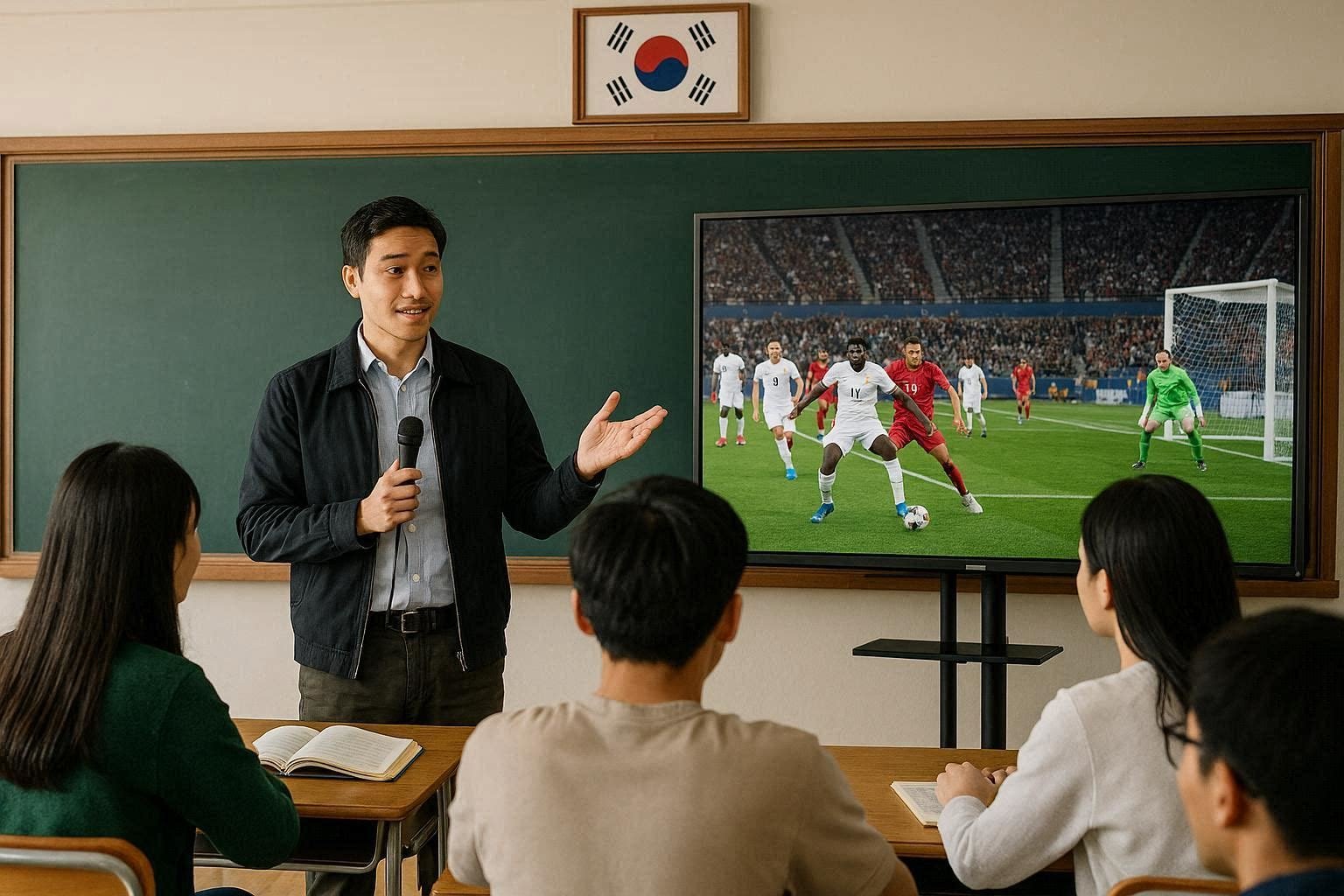
In recent years, the intersection of education and sports culture has taken on new dimensions in Korea. Nowhere is this more evident than in Gyeonggi-do, where several schools—including those in Yongin—have piloted media literacy workshops focused specifically on sports journalism. These workshops are not about teaching students how to play sports or even how to write match reports. Instead, they are designed to help young people understand how headlines, statistics, and highlight clips shape perceptions of matches and athletes.
The initiative reflects a growing awareness of risk factors in digital consumption, teaching youth to distinguish between credible reporting and algorithm-driven sensationalism. It underscores how regional education frameworks intersect with sports culture, preparing future fans to engage responsibly with digital platforms. For readers interested in how youth sports culture intersects with online safety, see Yongin’s youth esports participation and online safety concerns.
Why Sports Journalism Matters in Media Literacy
Sports coverage is one of the most consumed forms of media in Korea. From K League football highlights to KBO baseball statistics, sports journalism permeates television, online platforms, and social media feeds. For students, sports are often their first encounter with mass media narratives. Headlines about dramatic comebacks, viral clips of last-minute goals, or statistical breakdowns of a pitcher’s ERA all shape how young fans perceive the game.
By focusing on sports journalism, Gyeonggi-do schools tapped into a familiar and engaging medium. Students were encouraged to ask: Why does one headline emphasize controversy while another highlights teamwork? How do statistics frame a player as successful or struggling? What role do highlight clips play in reinforcing certain narratives? These questions are central to media literacy in the digital age.
Anatomy of a Headline
One of the first exercises in the workshops involved dissecting headlines. Students compared different headlines covering the same match. For example, one headline might read, “Bluewings Collapse in Final Minutes,” while another might say, “Gimpo FC Triumphs with Tactical Discipline.” Both describe the same event but frame it differently.
Through guided discussion, students learned that headlines are not neutral. They are crafted to attract attention, often shaped by editorial priorities or platform algorithms. Understanding this helps young readers resist sensationalism and seek balanced perspectives.
Statistics and the Illusion of Objectivity
Another key component of the workshops was analyzing sports statistics. Numbers appear objective, but the way they are presented can influence perception. A striker with a conversion rate of 15% might be portrayed as inefficient, yet if those goals came in crucial matches, the narrative shifts.
Students were taught to question what statistics are included, what is omitted, and how context matters. This exercise highlighted the importance of critical thinking in interpreting data, a skill that extends far beyond sports journalism into broader media consumption.
The Power of Highlight Clips
Highlight clips are among the most popular forms of sports content online. They condense hours of play into seconds of drama, often emphasizing goals, fouls, or controversial referee decisions. Students analyzed how these clips can distort perception by focusing only on sensational moments.
For instance, a highlight reel might suggest a match was chaotic and aggressive, while the full game was largely tactical and disciplined. By recognizing this, students learned to appreciate the difference between entertainment-driven content and comprehensive reporting.
Algorithmic Sensationalism
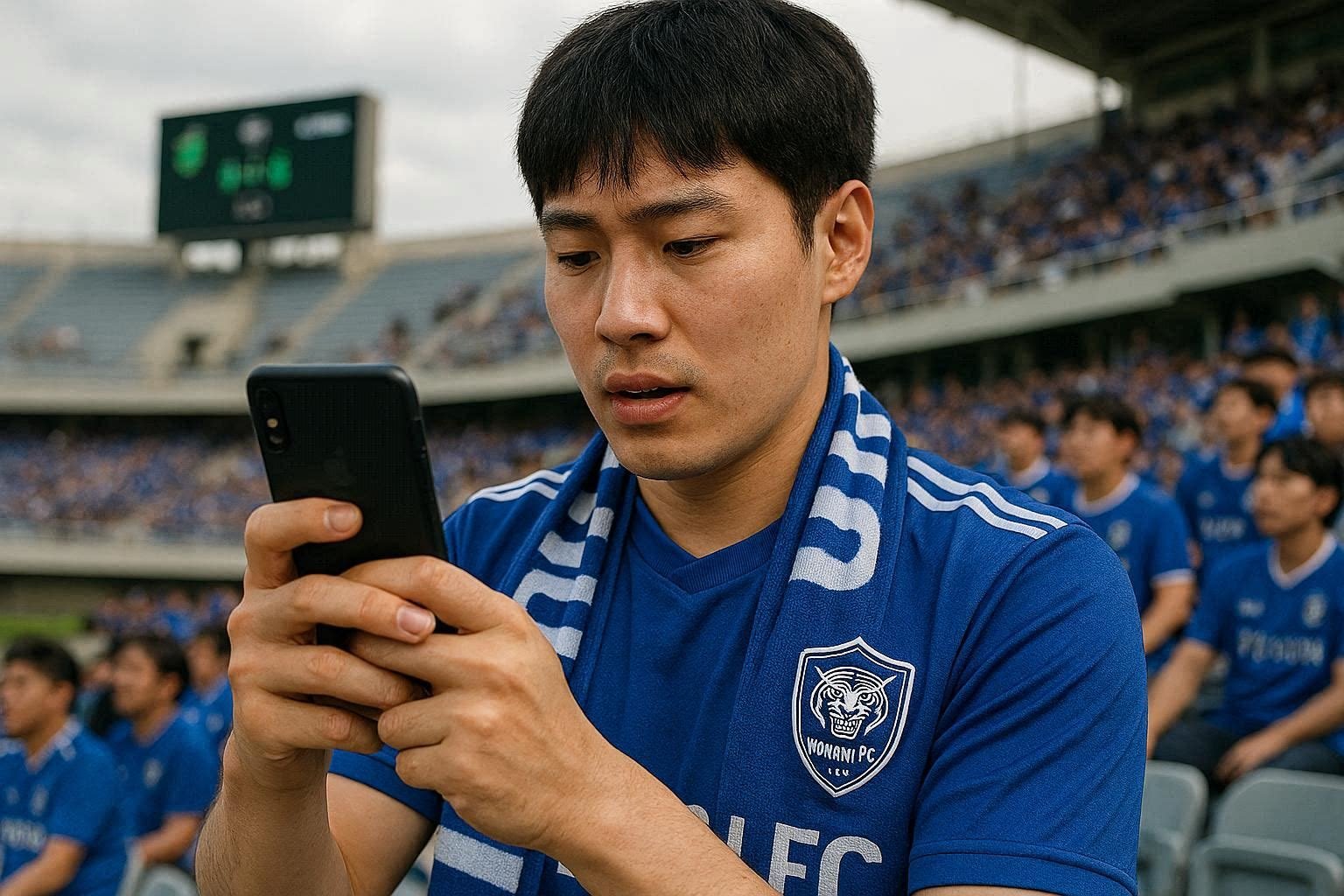
The workshops also addressed the role of algorithms in shaping sports coverage. Platforms like YouTube, TikTok, and Twitter amplify content that generates clicks, shares, and engagement. This often means sensational headlines, dramatic clips, and polarizing commentary rise to the top.
Educators explained how algorithms can create echo chambers, reinforcing certain narratives while marginalizing others. Students were encouraged to diversify their sources, cross-check information, and be mindful of how digital platforms influence their perceptions. For context, the World Health Organization has emphasized how digital consumption patterns affect youth health and engagement, underscoring the importance of balanced media use.
Regional Education Frameworks and Sports Culture
The initiative in Gyeonggi-do reflects a broader trend in Korean education: integrating media literacy into regional frameworks. By using sports as the entry point, schools connected with students’ interests while addressing critical issues in digital consumption.
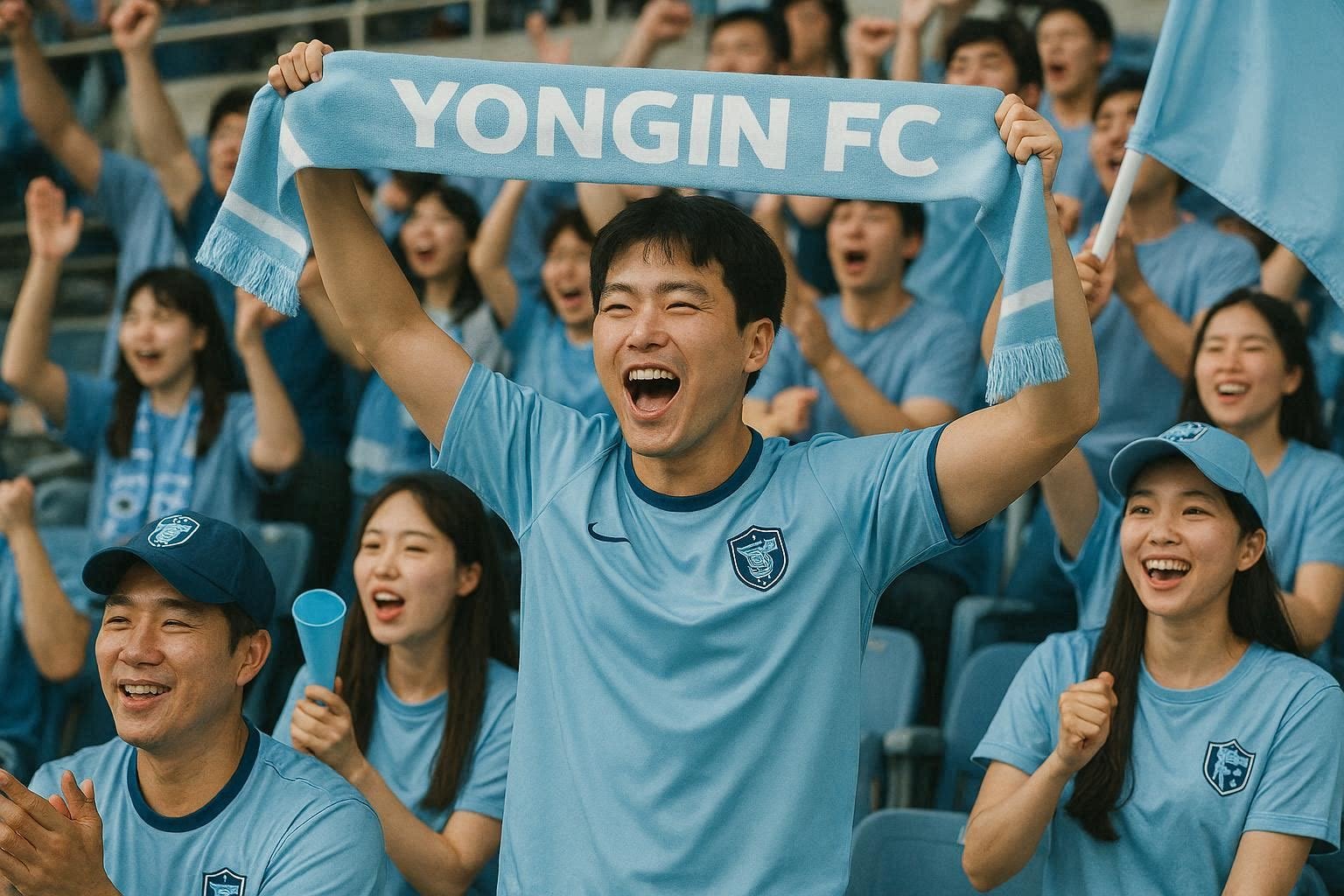
This approach also intersects with sports culture. Korea’s vibrant fan communities, from football to baseball to esports, thrive on digital platforms. Preparing future fans to engage responsibly ensures that sports culture remains healthy, inclusive, and resilient.
Case Study: Yongin Schools
Yongin, one of the pilot locations, provided a case study in how media literacy workshops can be implemented. Teachers collaborated with local journalists and university researchers to design modules that combined classroom discussion with practical analysis.
Students were tasked with creating their own sports reports, complete with headlines, statistics, and highlight selections. They then compared their work with professional coverage, identifying differences in framing and emphasis. This hands-on approach reinforced the lessons of critical consumption.
Preparing Future Fans
The ultimate goal of the initiative is not to produce professional journalists but to prepare future fans. In an era where sports fandom is deeply intertwined with digital platforms, responsible engagement is essential. Fans who can distinguish between credible reporting and algorithm-driven sensationalism are less likely to fall into misinformation traps or toxic online debates.
This preparation also strengthens civic culture. Sports are a major part of Korea’s social fabric, and fans who engage responsibly contribute to healthier communities both online and offline.
Global Context
Media literacy in sports coverage is not unique to Korea. Globally, educators are recognizing the importance of teaching students to critically engage with sports media. In Europe, initiatives supported by football associations emphasize responsible consumption of coverage. In the United States, organizations like the National Association for Media Literacy Education promote similar programs.
By situating Gyeonggi-do’s initiative within this global context, we see how local efforts contribute to a worldwide movement toward responsible digital citizenship.
Challenges and Opportunities
While the workshops were successful, challenges remain. Teachers noted that students often default to social media platforms for sports content, where sensationalism dominates. Changing these habits requires sustained effort and reinforcement.
At the same time, opportunities abound. By embedding media literacy into sports coverage, schools can make the subject engaging and relevant. Sports provide a familiar context that makes abstract concepts like algorithmic bias tangible.
Conclusion
The media literacy workshops piloted in Gyeonggi-do schools represent a forward-thinking approach to education. By focusing on sports journalism, educators tapped into students’ interests while addressing critical issues in digital consumption.
Students learned to analyze headlines, question statistics, and critique highlight clips, all while understanding the role of algorithms in shaping perception. These skills prepare them to engage responsibly with digital platforms, strengthening both sports culture and civic life.
For readers, the story underscores how regional education frameworks intersect with sports culture, offering a blueprint for how schools can prepare future fans to navigate the digital age with critical awareness and cultural resilience.
Final Thought: Sports are more than games; they are narratives woven through media. By teaching students to read those narratives critically, Gyeonggi-do schools are not only shaping better fans but also cultivating responsible digital citizens.