
Introduction
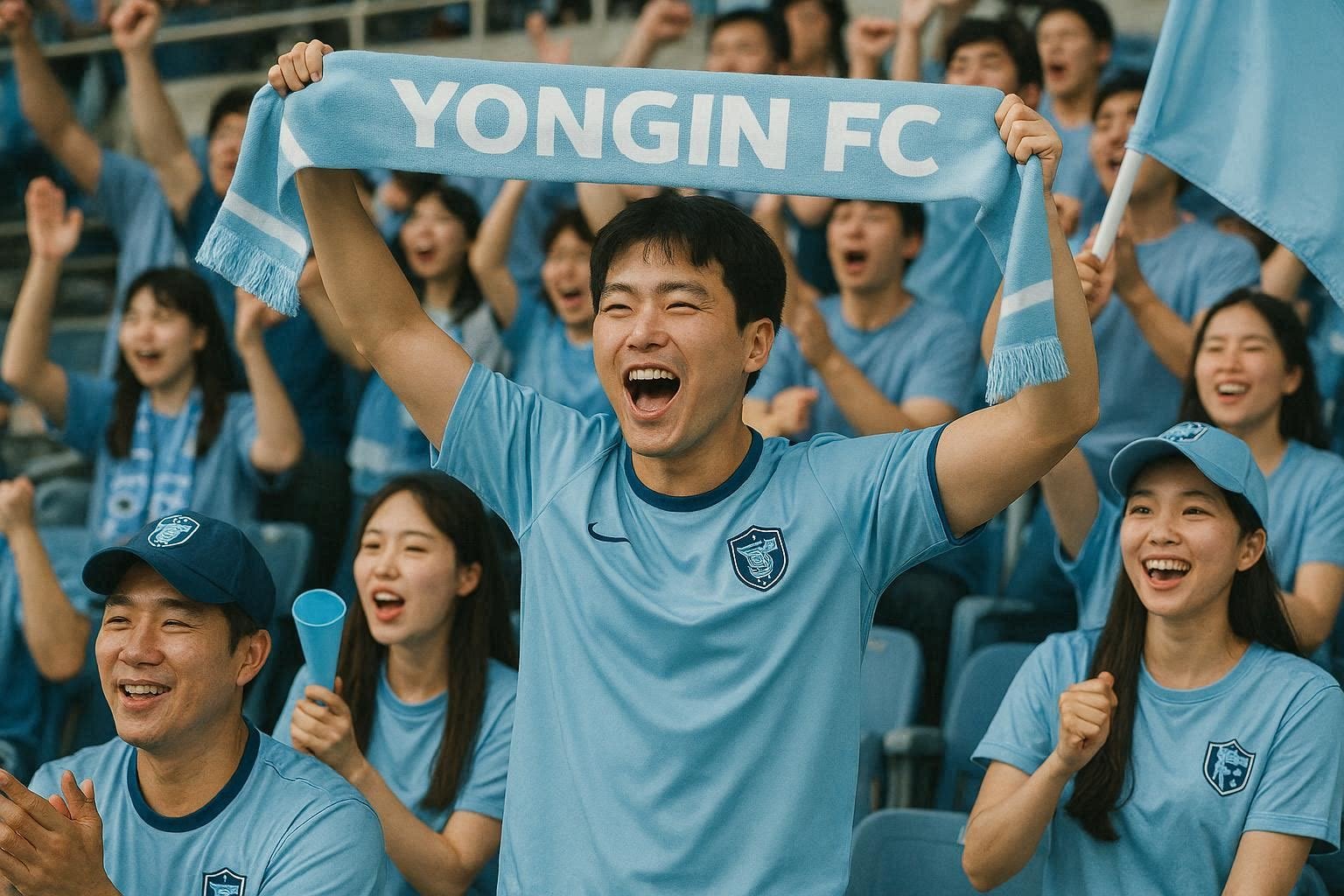
Yongin FC’s recent K League 2 fixture drew attention not only for the result on the pitch but for the club’s innovative use of interactive fan polls during live broadcasts. Fans were asked to predict substitution timings and tactical shifts, with results displayed in real time. This experiment highlights how behavioral data from fan participation can shape broadcast narratives, offering insight into the evolving relationship between sports audiences and digital platforms.
Background: Digital Transformation in Korean Football
Korean football has increasingly embraced digital engagement strategies. Clubs across K League 1 and K League 2 are experimenting with fan-centered initiatives, ranging from augmented reality match previews to interactive voting systems. Yongin FC’s experiment stands out because it integrates fan input directly into the live broadcast, creating a participatory model that blurs the line between spectatorship and production.
Mechanics of the Experiment
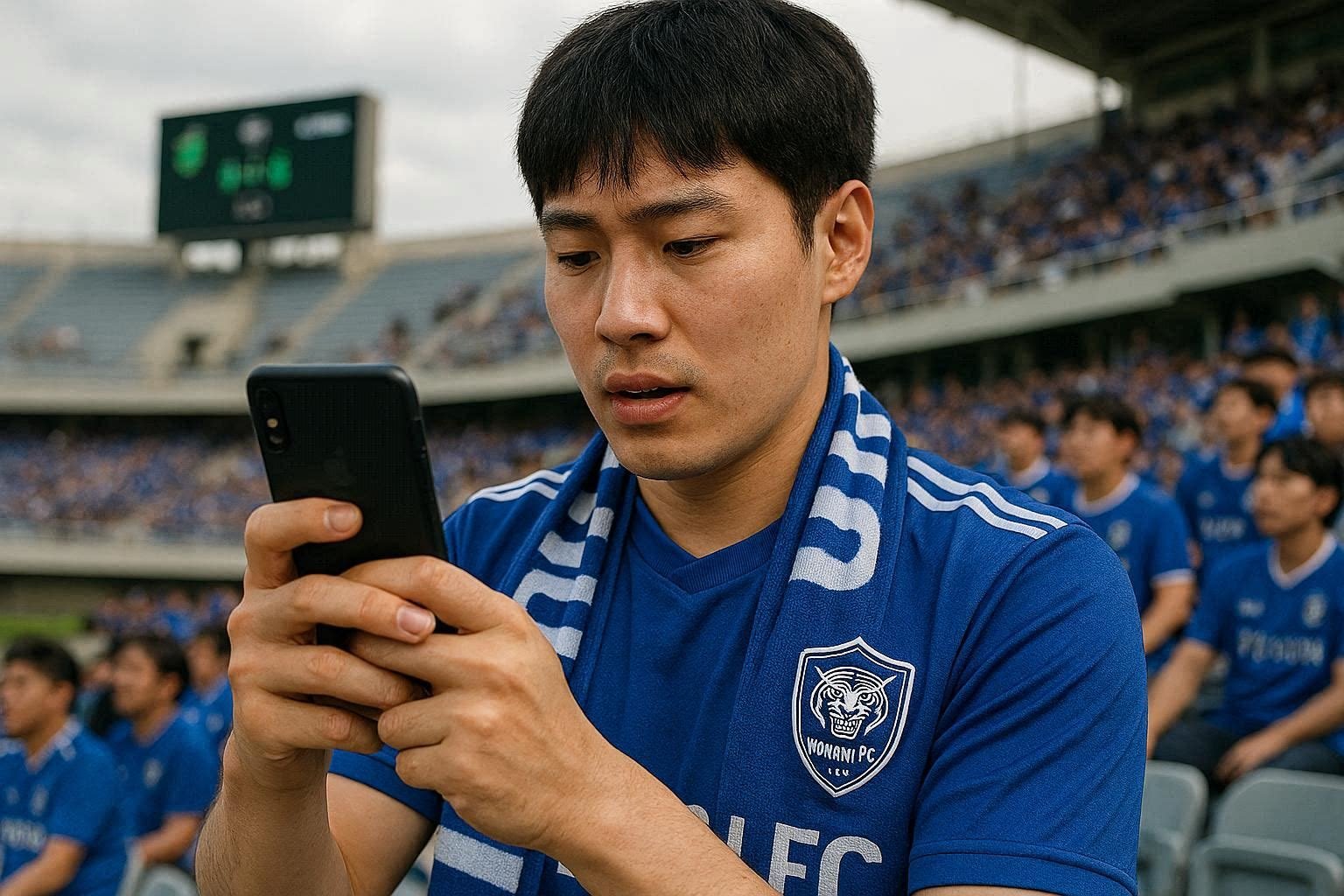
During the match, Yongin FC partnered with broadcasters to embed live polls into the streaming interface. Fans could vote on questions such as:
- When will the first substitution occur?
- Which player should be introduced to change the tactical balance?
- Will Yongin shift to a more defensive or attacking shape in the final 20 minutes?
Results were displayed in real time, allowing commentators to reference fan predictions during the broadcast. This created a feedback loop where audience sentiment influenced narrative framing, making fans feel like active participants rather than passive viewers.
Behavioral Data and Broadcast Narratives
The experiment illustrates how behavioral data can shape broadcast narratives. By analyzing fan responses, broadcasters gain insight into audience expectations and emotional engagement. This data can be used to adjust commentary, highlight tactical debates, and even inform post-match analysis. In essence, fan participation becomes part of the storytelling process, enriching the broadcast with collective intelligence.
Local Identity and Citizen Engagement
For YonginInsider readers, the story illustrates how local clubs are testing participatory engagement models that reflect broader shifts in Korean sports media ecosystems. Yongin FC’s initiative resonates with the city’s emphasis on community-driven sports culture. By involving fans in tactical discussions, the club deepens civic engagement and strengthens its identity as a community institution.
For more on Yongin’s grassroots sports initiatives, see
Yongin FC Futsal Tournaments Deepen Citizen Engagement.
Comparisons with Global Practices
Globally, sports organizations are experimenting with similar models. The NBA has tested interactive fan voting during All-Star games, while European football clubs have introduced second-screen experiences that allow fans to influence camera angles or access tactical overlays. Yongin FC’s experiment aligns with these trends, positioning K League 2 as a space for innovation in fan engagement.
External references:
Educational Insight: Media Literacy and Fan Culture
The experiment also offers educational insights. By participating in polls, fans learn to think critically about tactical decisions and substitution strategies. This enhances media literacy, encouraging audiences to engage with the game beyond surface-level entertainment. It also fosters a culture of debate and analysis, strengthening the intellectual dimension of sports fandom.
Challenges and Limitations
Despite its promise, the experiment faces challenges. Ensuring that polls are representative of the broader fan base is difficult, as digital participation may skew toward younger demographics. There is also the risk of overemphasizing fan sentiment at the expense of professional analysis. Balancing participatory engagement with expert commentary will be crucial for the model’s sustainability.
Implications for Sports Media Ecosystems
Yongin FC’s initiative reflects broader shifts in Korean sports media ecosystems. As digital platforms become central to sports consumption, clubs and broadcasters must adapt to participatory models. This requires rethinking traditional hierarchies of production, where fans are no longer passive consumers but active contributors to the narrative. The experiment underscores the need for policies and frameworks that support inclusive and transparent engagement.
Future Directions
Looking ahead, Yongin FC could expand the experiment by integrating predictive analytics, allowing fans to compare their predictions with actual outcomes. Gamification elements, such as leaderboards or rewards for accurate predictions, could further enhance engagement. Collaborations with sponsors could also create new revenue streams, linking fan participation to commercial opportunities.
Conclusion
Yongin FC’s digital engagement experiment marks a significant step in the evolution of Korean football. By integrating fan polls into live broadcasts, the club has created a participatory model that enriches the viewing experience and deepens community engagement. The initiative highlights how behavioral data can shape broadcast narratives, offering valuable insights into the relationship between sports audiences and digital platforms.
For YonginInsider readers, the story underscores the importance of local clubs in testing innovative engagement models that reflect broader shifts in sports media ecosystems. As K League 2 continues to evolve, Yongin FC’s experiment may serve as a blueprint for how digital participation can transform the culture of sports broadcasting in Korea and beyond.