
Introduction: Match Context and Fan Conversations
On April 10, Yongin FC suffered a 2–0 defeat to Busan IPark in K League 2. While the result itself was disappointing, the more intriguing story unfolded off the pitch at Yongin Mireu Stadium. With a capacity of 37,155, the venue is one of the largest in Gyeonggi-do, yet attendance patterns revealed something unusual: fans arrived later than expected, left earlier than the final whistle, and increasingly substituted live attendance with digital highlights.
This behavior has sparked discussions among supporters, analysts, and club officials. Yongin FC’s matchday culture is becoming a microcosm of broader shifts in sports consumption, where hybrid engagement — blending in-person rituals with digital convenience — is reshaping how fans experience football. For a deeper look at how the club is experimenting with online-first strategies, see Yongin FC’s Digital Engagement Experiment.
Stadium Capacity vs. Actual Attendance
Yongin Mireu Stadium’s size suggests potential for vibrant atmospheres comparable to Suwon or Seongnam. Yet attendance figures often fall short of capacity. Against Busan IPark, official numbers showed fewer than 15,000 spectators, with noticeable gaps in seating.
The issue is not simply turnout but timing. Observers noted that many fans arrived midway through the first half, and a significant portion departed before the final whistle. Compared to other Gyeonggi-do clubs, Yongin’s matchday rhythm feels compressed, with fans treating attendance as a partial experience rather than a full ritual. For official attendance data and league statistics, see the K League official site.
Behavioral Shifts: Late Arrivals and Early Exits
Why do Yongin fans arrive late and leave early? Several behavioral explanations emerge:
- Traffic and accessibility: Yongin’s urban sprawl and transport links make punctual arrival challenging.
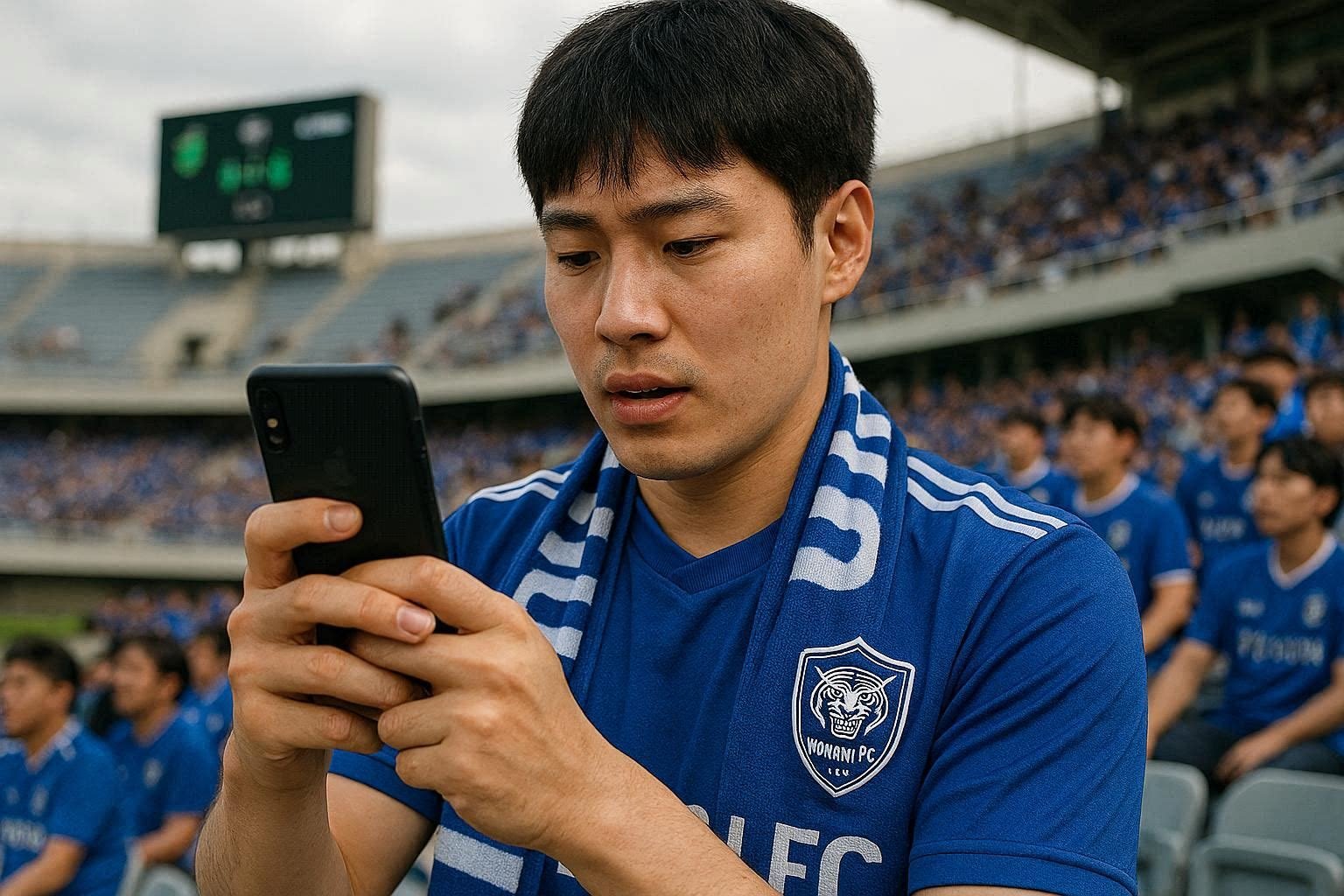
- Digital substitution: With highlights available instantly on platforms like Naver Sports and YouTube Football channels, fans feel less pressure to witness every minute live.
- Lifestyle integration: Match attendance is increasingly treated as one activity among many in a weekend schedule, not the centerpiece of the day.
These behaviors reflect a shift from traditional fandom — where attending the full match was a ritual — to modern consumption, where flexibility and digital access redefine engagement.
Comparing Gyeonggi-do Clubs
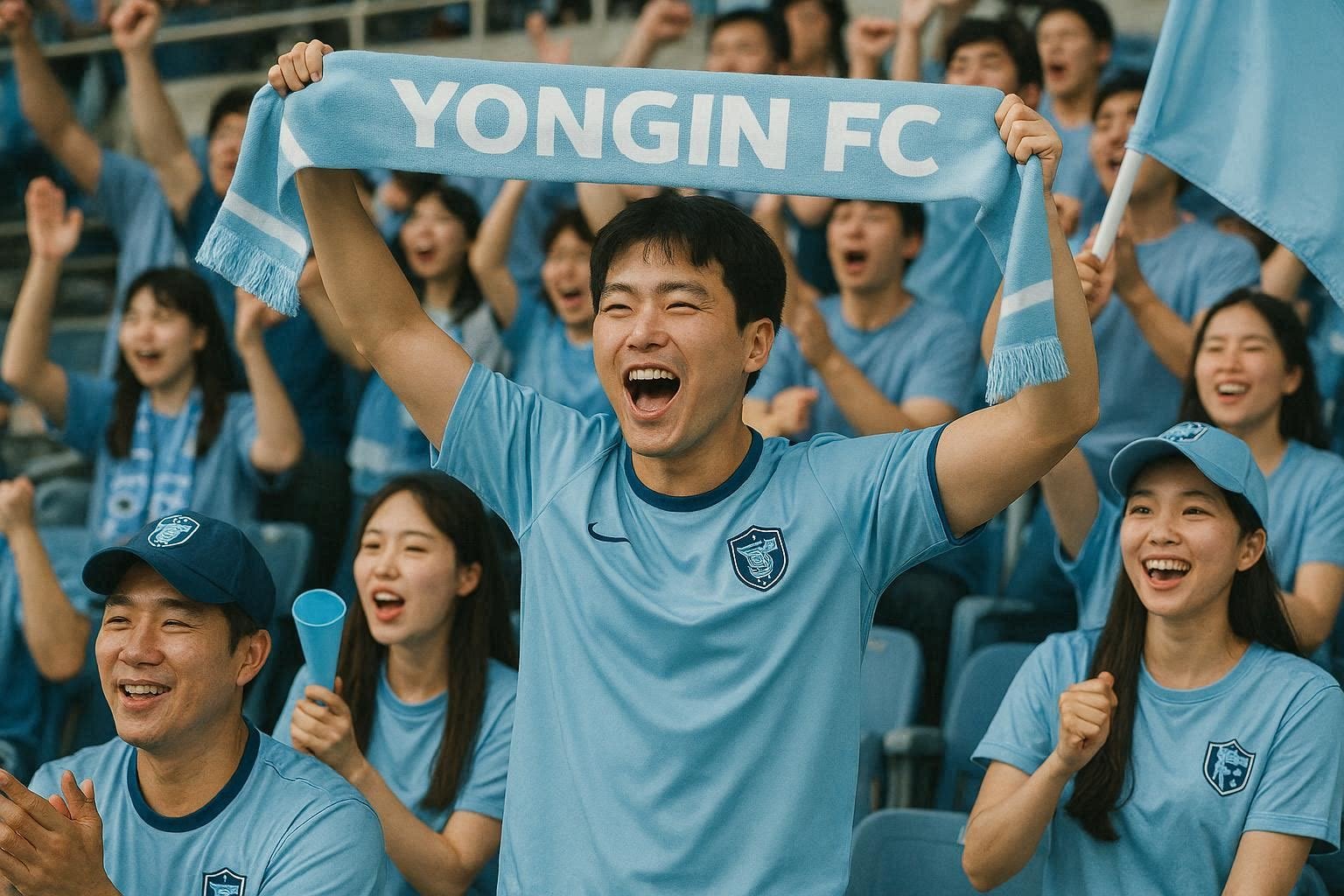
When compared to Suwon Samsung Bluewings or Seongnam FC, Yongin’s attendance behavior stands out. Suwon fans typically arrive early, participate in pre-match rituals, and stay until the final whistle, reinforcing a communal identity. Seongnam supporters, though fewer in number, maintain consistent routines.
Yongin’s fans, by contrast, display a more transient engagement. This difference suggests that Yongin’s supporter base is still developing a distinct identity, shaped by the city’s demographics and digital-first culture.
Digital Highlights as a Substitute
The rise of digital highlights is central to Yongin’s fan behavior. Platforms provide instant access to goals, key plays, and tactical breakdowns. For younger fans, this often replaces the need to watch full matches.
This substitution has two effects:
- Reduced in-stadium commitment: Fans feel comfortable leaving early, knowing they can catch missed moments online.
- Broader reach: Digital platforms extend Yongin FC’s visibility beyond the stadium, engaging fans who may never attend in person.
The challenge for the club is balancing these dynamics — leveraging digital reach while preserving the value of live attendance. For global context, see FIFA’s fan engagement reports.
Matchday Routines: A Compressed Experience
Traditional matchday routines involve arriving early, engaging in chants, buying merchandise, and staying until the end. Yongin’s routines are shorter and more fragmented. Fans often skip pre-match activities, arrive just in time for kickoff, and leave once the result feels decided.
This compressed experience reflects modern time management. Fans juggle work, family, and leisure, treating football as one component rather than the centerpiece. While practical, it dilutes the communal atmosphere that clubs rely on to build identity.
Educational Lens: What Attendance Data Reveals
Attendance data is more than numbers; it reveals cultural patterns. Yongin’s case illustrates three educational insights:
- Behavioral economics: Fans weigh costs (time, travel, ticket price) against benefits (live atmosphere, social experience).
- Digital substitution theory: Online highlights reduce the perceived necessity of full attendance.
- Hybrid engagement models: Modern fandom blends physical presence with digital consumption, creating new norms.
For academic perspectives on sports consumption, see International Journal of Sport Management.
Fan Culture in Transition
Yongin FC’s fan culture is evolving. Unlike established clubs with decades of tradition, Yongin’s supporter base is still forming rituals. Digital-first behaviors are shaping this identity, making Yongin a case study in how new clubs navigate hybrid engagement.
The challenge is fostering loyalty that extends beyond convenience. Without strong rituals, fans risk treating attendance as optional, weakening the communal bonds that sustain clubs.
Club Strategies for Engagement
Yongin FC faces a strategic choice: resist or embrace hybrid engagement. Potential strategies include:
- Enhanced pre-match experiences: Creating incentives for early arrival, such as fan zones, live music, or interactive activities.
- Integrated digital platforms: Offering exclusive content that complements live attendance, not replaces it.
- Community outreach: Building connections with schools, workplaces, and local groups to embed matchday into civic life.
These strategies aim to transform attendance from a fragmented activity into a holistic experience.
Broader Implications for K League 2
Yongin’s case has implications for the league. As digital consumption rises, clubs must adapt to hybrid models. Attendance patterns will increasingly reflect lifestyle integration rather than traditional rituals.
For K League 2, this means rethinking metrics of success. Engagement should be measured not only by stadium numbers but also by digital reach, community impact, and cultural resonance.
Yongin Mireu Stadium: Symbol and Challenge
Yongin Mireu Stadium embodies both potential and challenge. Its size offers opportunities for large-scale atmospheres, but underutilization highlights the gap between capacity and behavior.
The stadium becomes a symbol of modern fandom: impressive infrastructure, yet dependent on evolving cultural patterns. How Yongin fills this space — physically and digitally — will define its identity.
Educational Value: Hybrid Engagement as a Case Study
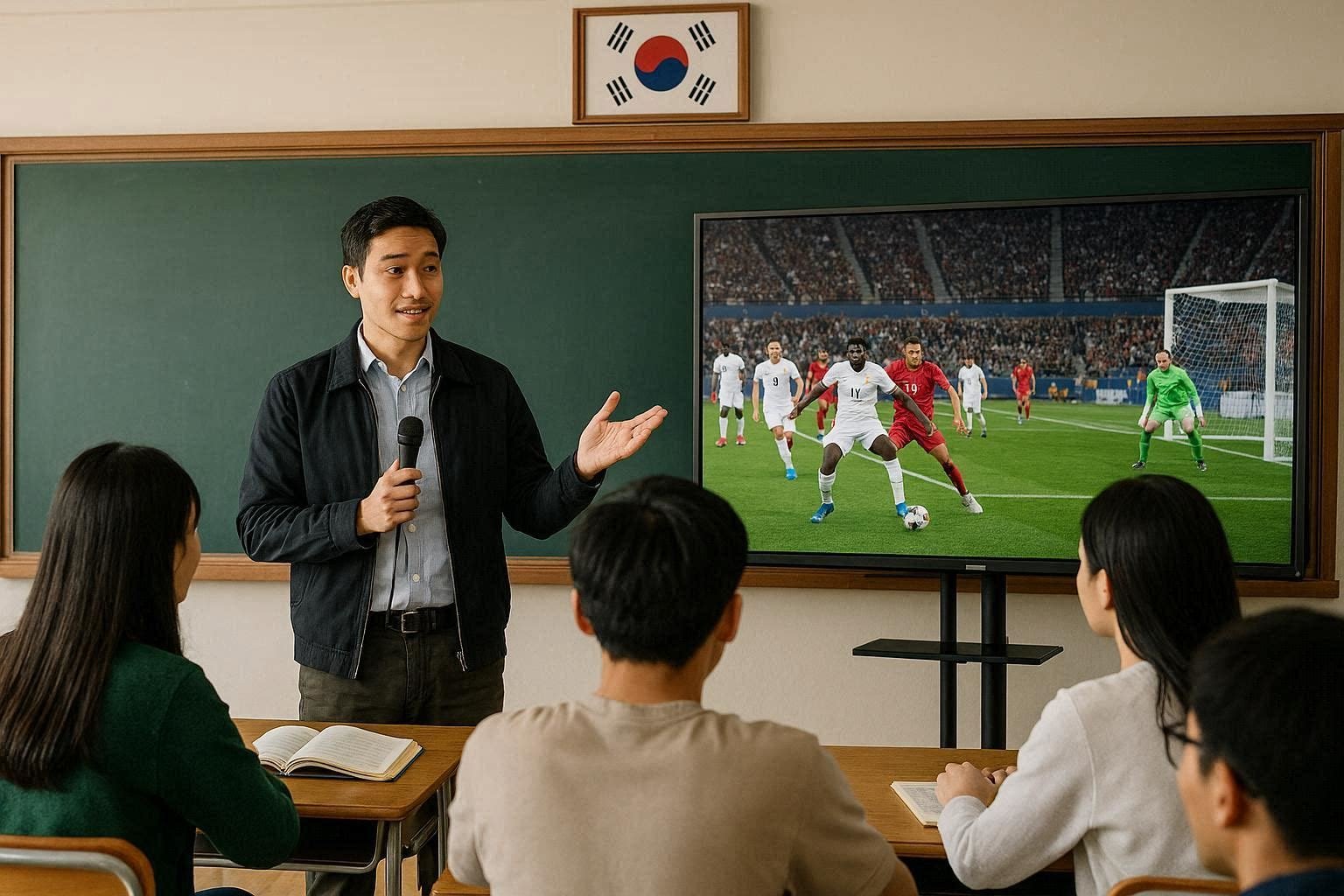
For readers, Yongin FC offers a case study in hybrid engagement. Attendance data, matchday routines, and digital substitution behaviors reveal how fan culture adapts to modern life.
This case illustrates broader lessons:
- Sports consumption is no longer binary (attend or not attend).
- Digital platforms reshape expectations of immediacy and convenience.
- Local clubs must innovate to sustain communal identity in a fragmented landscape.
Understanding Yongin helps readers grasp how sports ecosystems evolve in the digital age.
Conclusion: The Future of Yongin’s Fan Culture
Yongin FC’s 2–0 loss to Busan IPark was a reminder of on-field challenges, but the real story lies in the stands. Fans arriving late, leaving early, and relying on digital highlights reflect a cultural shift in sports consumption.
For Yongin, the task is clear: embrace hybrid engagement while reinforcing live rituals. The club must transform attendance from a compressed activity into a full communal experience, balancing convenience with identity.
As K League 2 evolves, Yongin’s case will remain instructive. It shows how local sports ecosystems adapt to modern behaviors, offering lessons not only for clubs but for fans, policymakers, and educators. In Yongin, football is more than a game; it is a mirror of how society consumes, connects, and creates culture in the digital age.