
Introduction: A Historic Break in Tradition
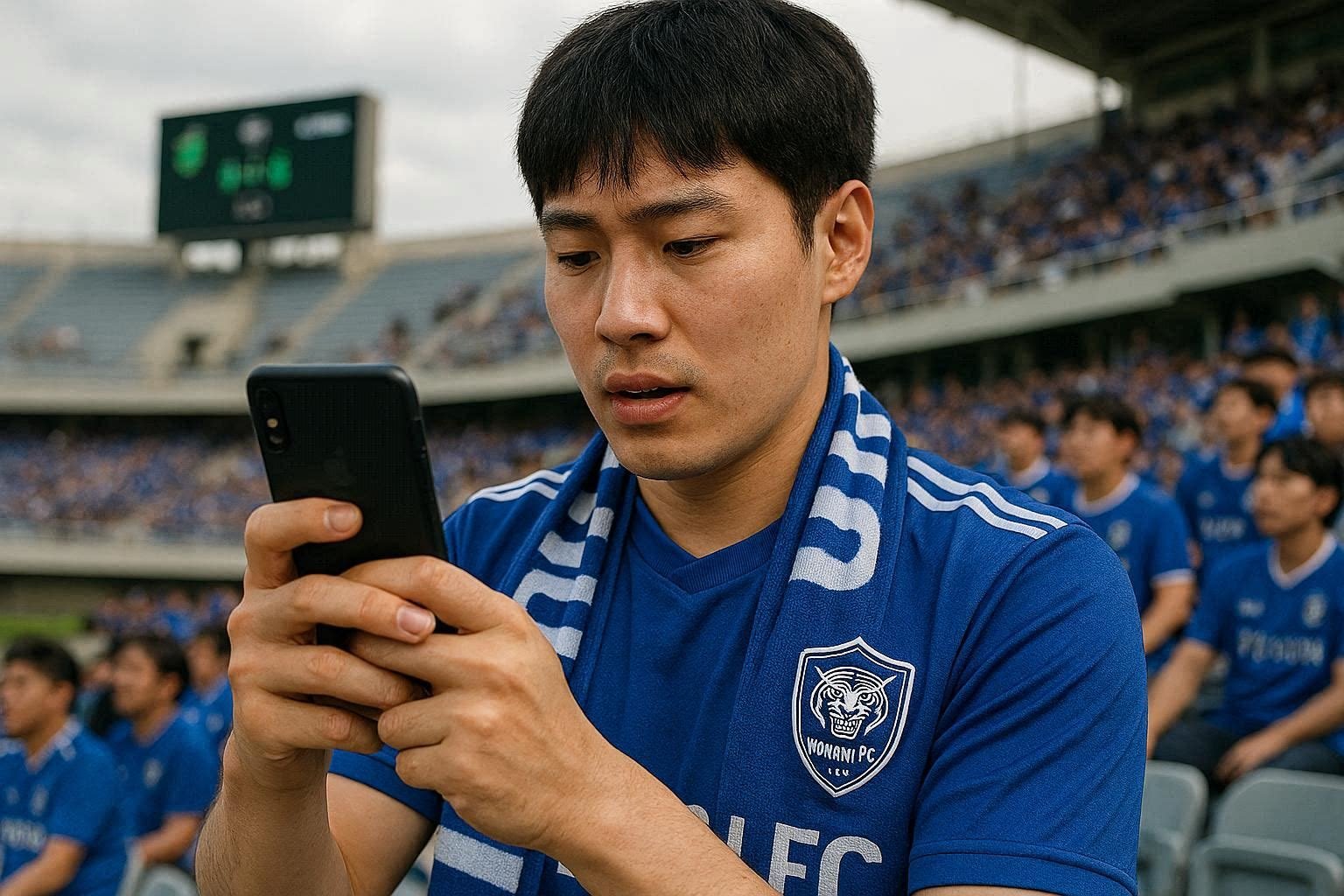
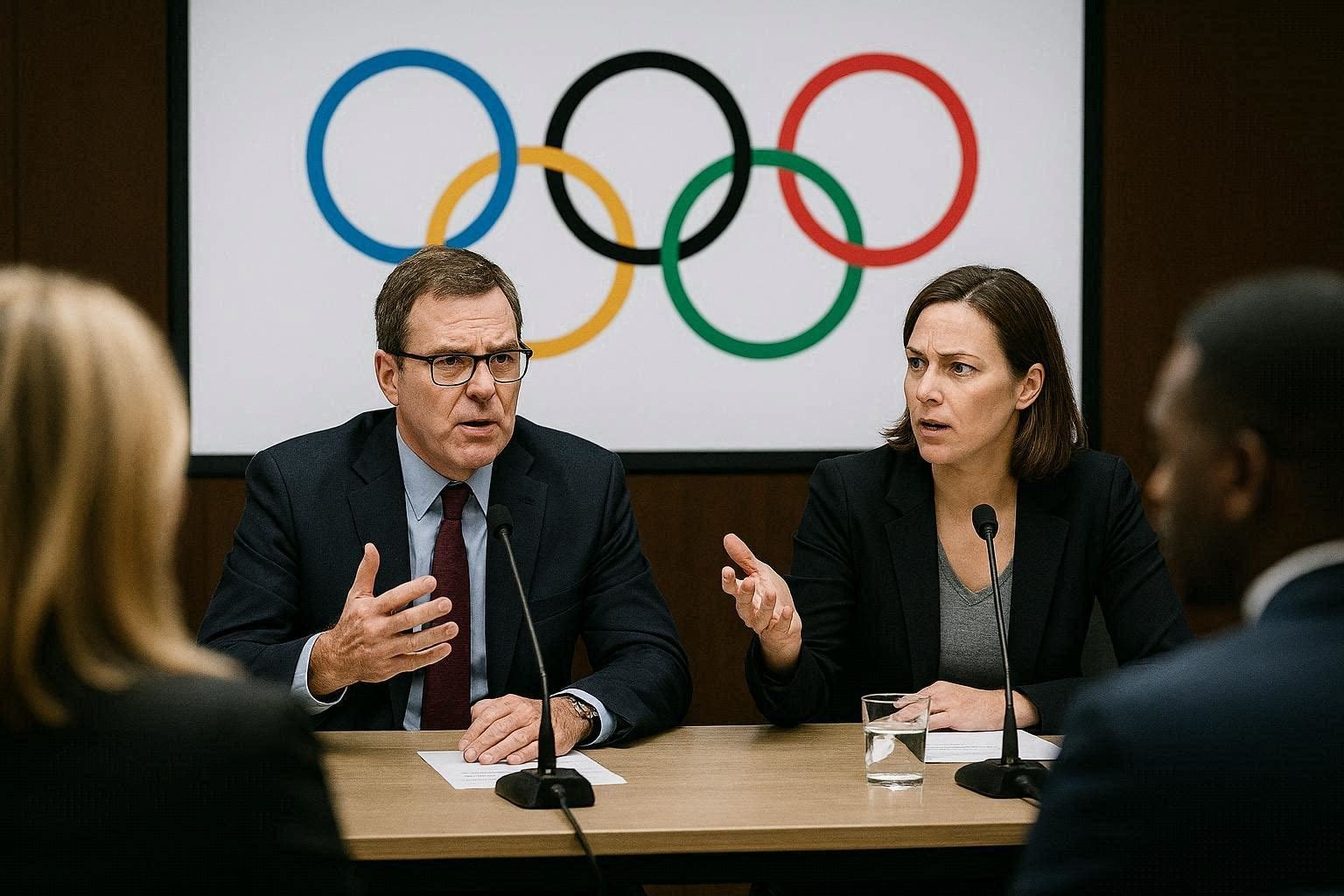
For the first time in over six decades, South Korean audiences were unable to watch the Winter Olympics on terrestrial television. The Milano Cortina 2026 Games aired exclusively through paid platforms, leaving millions without access to what has long been a shared national experience. The absence of free coverage sparked controversy, prompting lawmakers and civic groups to question how exclusive broadcasting contracts affect public access.
This debate is not simply about television rights—it is about cultural equity, audience trust, and the role of regulatory frameworks in shaping how citizens engage with global sporting events.
Context: The 2026 Winter Olympics Controversy
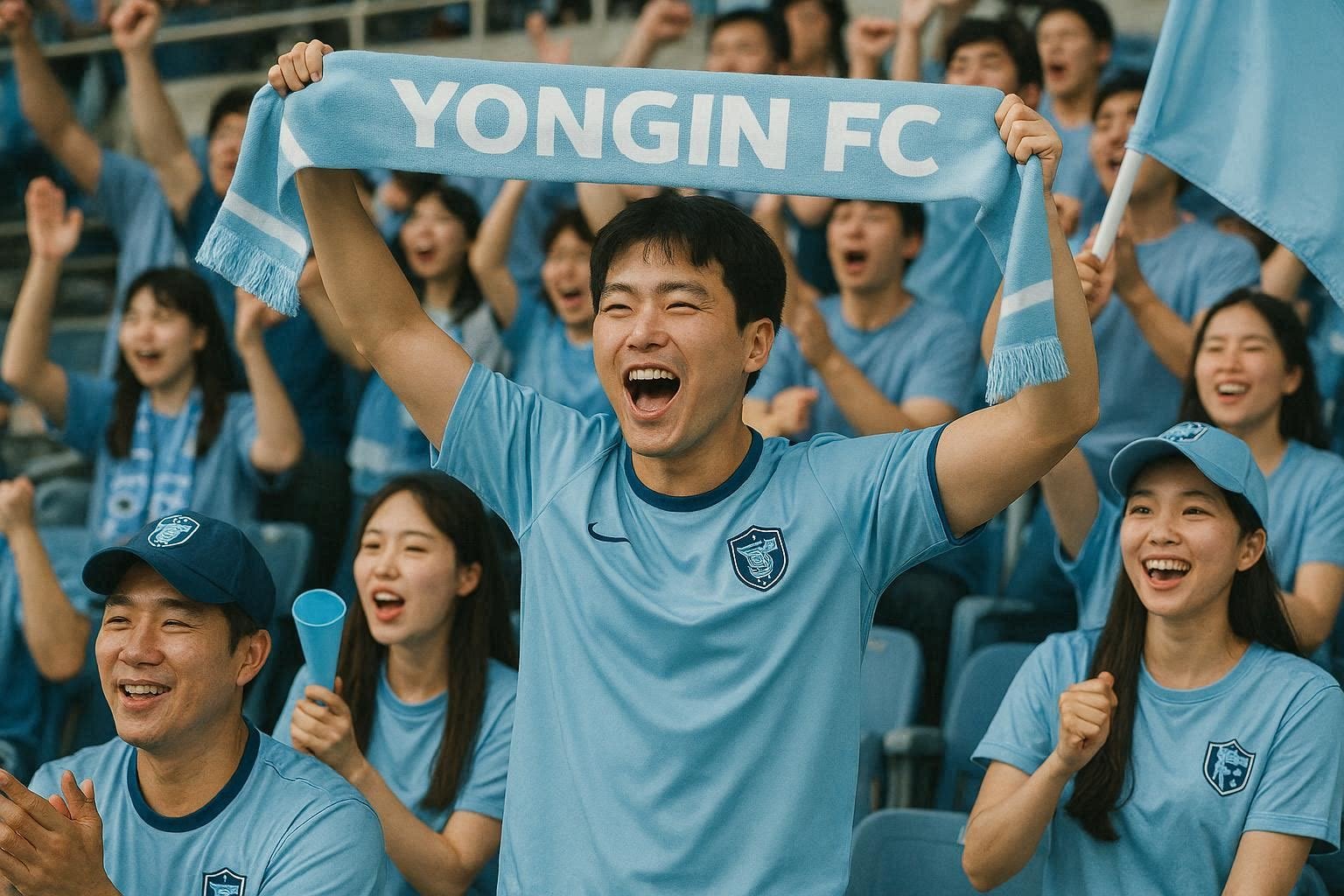
Since the 1960 Squaw Valley Winter Olympics, Koreans have relied on free-to-air broadcasts to experience the Games. These broadcasts were more than entertainment; they were cultural rituals, moments of collective pride, and opportunities for families to gather around the screen.
The 2026 Games broke that tradition. Exclusive contracts meant that only subscription-based platforms carried coverage, excluding those who depended on terrestrial channels. Civic groups argued that this exclusion undermined the principle of universal access to events of national and cultural significance.
Behavioral and Cultural Angle: Trust and Risk Awareness
The controversy highlights how audience trust and risk awareness are shaped by regulatory frameworks. Fans accustomed to free access felt excluded, leading to frustration and skepticism about the fairness of broadcasting policies.
Key behavioral insights include:
- Trust in Institutions: Audiences expect regulators to safeguard access to culturally significant events. When that trust is broken, confidence in both government and broadcasters erodes.
- Risk Awareness: Fans now recognize the risk of exclusion when contracts prioritize commercial gain over public interest. This awareness fuels calls for reform.
- Information Equity: The debate underscores the importance of equitable access to information. Sports broadcasts are not just entertainment; they are cultural narratives that shape national identity.
The exclusion of free-to-air audiences sparked discussions about fairness, equity, and the democratic principle that cultural goods should not be restricted by economic barriers.
Legal Structures: Broadcasting Act and Public Interest
At the heart of the debate is South Korea’s Broadcasting Act, which governs how rights are acquired and distributed. Currently, exclusive contracts allow private broadcasters or streaming platforms to secure coverage, often prioritizing profit over accessibility.
Lawmakers are now considering reforms to classify certain events—such as the Olympics, World Cup, and Asian Games—as “public goods.” This would require at least partial free-to-air coverage, ensuring that all citizens can access these events regardless of income.
Questions under consideration include:
- Should universal viewing rights be guaranteed by law?
- How should regulators balance commercial contracts with public interest?
- What role should the Ministry of Culture, Sports and Tourism play in negotiating rights to protect accessibility?
For a broader look at how regulation intersects with sports media ecosystems, see this analysis of the Online Platform Regulation Act debate.
International Comparisons: Listed Events Policies
South Korea is not alone in facing this dilemma. Many countries have implemented “listed events” policies to protect public access:
- United Kingdom: The Broadcasting Act designates events like the FIFA World Cup and the Olympics as “listed events,” requiring free-to-air coverage. See Ofcom’s guidance on listed events here.
- Germany: Public broadcasters are guaranteed rights to major tournaments, reflecting the principle of universal access.
- Australia: The Anti-Siphoning List ensures that culturally significant sports are available on free television before pay-TV providers can bid. Details are available from the Australian Communications and Media Authority here.
These examples demonstrate that regulatory frameworks can balance commercial interests with public rights, offering models for South Korea to consider.
Educational Insight: Media Literacy and Policy Awareness
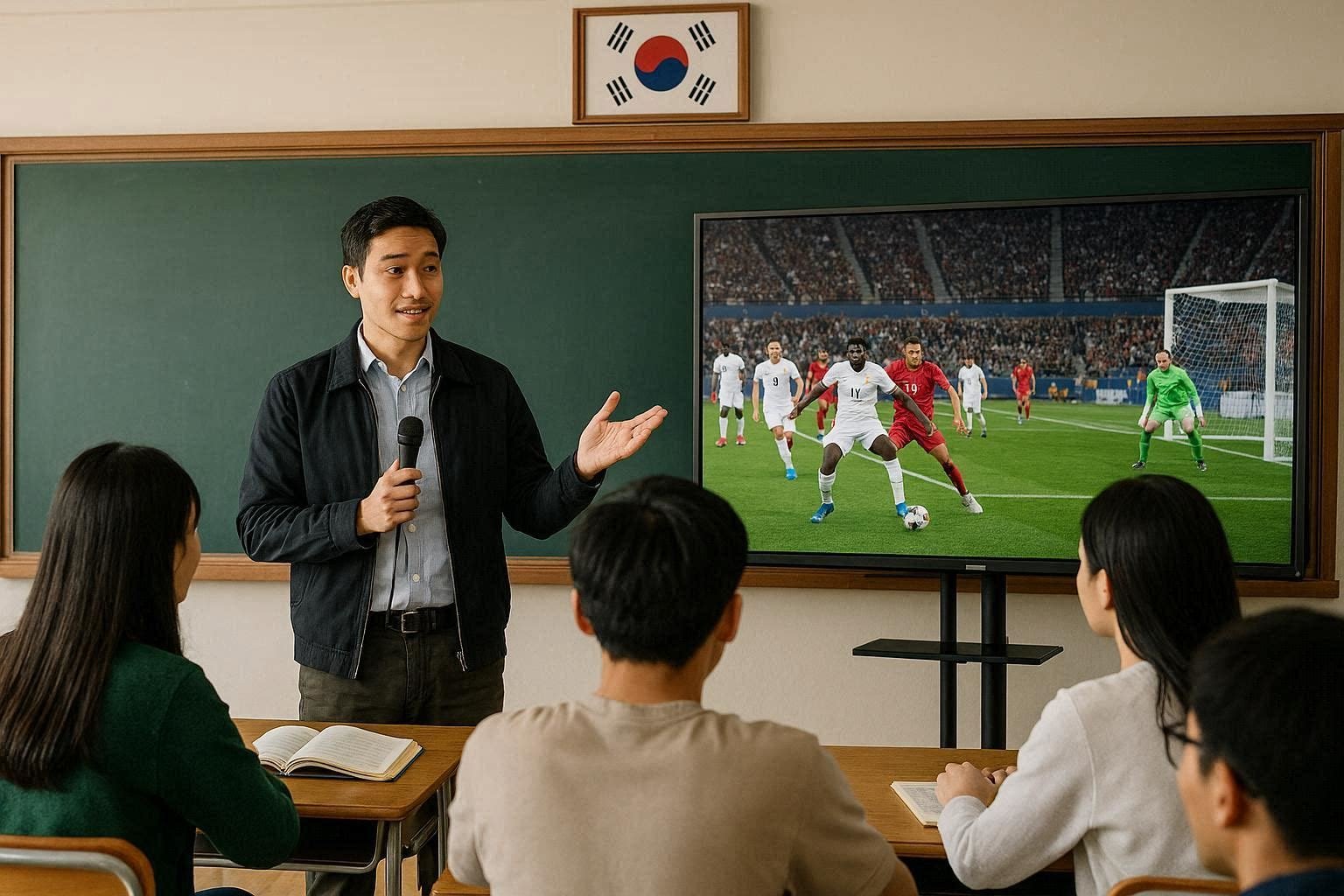
For YonginInsider readers, this debate provides a case study in how legal structures intersect with user behavior. Media literacy and awareness of broadcasting policy are essential to understanding sports engagement.
Key lessons include:
- Media Literacy: Audiences must understand how contracts and regulations shape access. Awareness empowers citizens to demand fairness.
- Policy Awareness: Recognizing the role of laws like the Broadcasting Act helps fans see the connection between regulation and cultural equity.
- Cultural Impact: Exclusion from broadcasts affects not only individual fans but also collective identity, weakening shared cultural rituals.
- Democratic Principles: Universal access reflects the democratic ideal that cultural goods should be available to all, not restricted by economic barriers.
By examining the 2026 controversy, readers gain insight into why regulatory frameworks matter and how they shape everyday experiences of sports engagement.
Civic Groups and Public Pressure
Civic groups have played a central role in pushing for reform. They argue that exclusive contracts undermine cultural rights and call for stronger government intervention. Public petitions and media campaigns have amplified the issue, framing it as a matter of cultural justice rather than mere entertainment.
This grassroots pressure reflects a broader trend: citizens are increasingly aware of how media policies affect their daily lives, and they are willing to demand change.
Broader Implications: Sports, Media, and Democracy
The debate over Olympic broadcasting rights is emblematic of broader questions about media and democracy. In an era dominated by streaming platforms, access to cultural goods is increasingly commodified. Without regulatory safeguards, inequality in access becomes entrenched, undermining the democratic principle of shared cultural participation.
Sports, by their nature, transcend individual consumption. They are collective experiences, binding communities and nations. Ensuring public access is not merely a legal issue—it is a democratic imperative.
Conclusion: A Call for Reform
The absence of terrestrial coverage for the Milano Cortina 2026 Winter Olympics marked a historic break in South Korea’s broadcasting tradition. In response, lawmakers and civic groups are questioning how exclusive contracts affect public access, highlighting the need for reform.
For YonginInsider readers, the lesson is clear: media literacy and policy awareness are essential to understanding sports engagement. Broadcasting rights are not just about contracts; they are about cultural identity, democratic principles, and the role of law in safeguarding shared experiences.
As South Korea considers reforms, the challenge will be to balance commercial realities with the universal right to engage in the cultural moments that define a nation.