
Introduction
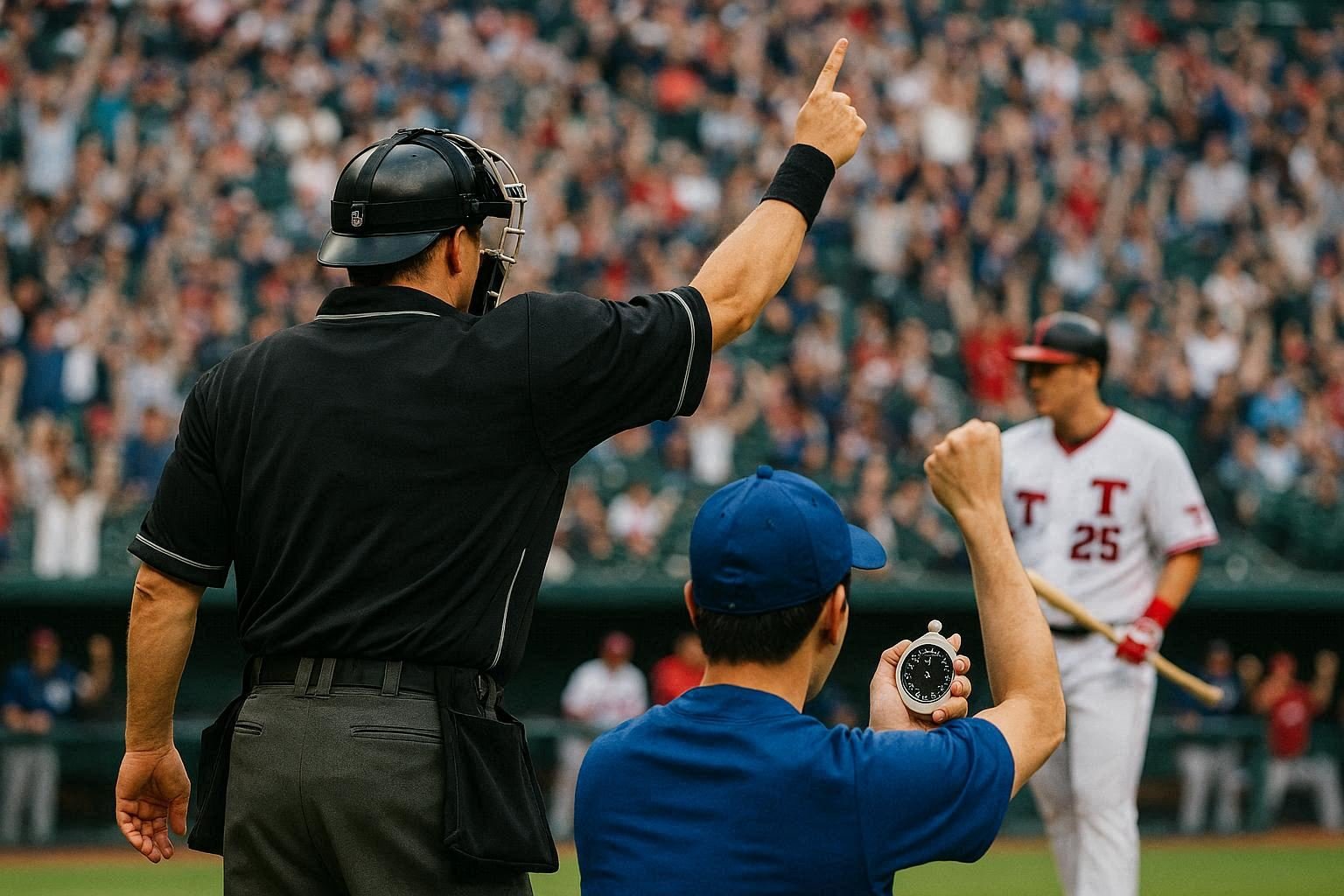
The Korea Baseball Organization (KBO) entered the 2026 season with a clear objective: shorten game times and enhance the viewing experience. To achieve this, the league introduced new pace-of-play rules, echoing similar reforms in Major League Baseball (MLB). The expectation was straightforward — fewer delays, faster innings, and more streamlined entertainment.
Yet early reports suggest the opposite. Matches remain lengthy, often stretching beyond three hours, with increased walks and extended innings offsetting the intended efficiency. Fans, meanwhile, are responding with mixed reactions. Some applaud the effort to modernize, while others note that the rules have altered pitcher behavior, leading to more cautious play and slower rhythms.
This article examines how regulatory tweaks reshape fan engagement, why pace-of-play reforms can produce unintended consequences, and what these changes mean for local communities in Yongin and Gyeonggi-do, where KT Wiz supporters are experiencing the effects firsthand.
Context: Why Pace-of-Play Matters
Baseball has long been criticized for its length. Games often exceed three hours, with stretches of downtime between pitches, mound visits, and substitutions. For younger audiences accustomed to faster-paced entertainment, this rhythm can feel outdated.
- League motivation: Shorter games are seen as a way to attract new fans and retain casual viewers.
- Global influence: MLB’s pitch clock reforms in 2023 demonstrated that regulation could reduce average game times by 20–30 minutes (MLB.com (mlb.com in Bing)).
- KBO adaptation: Korea’s league sought similar results, introducing rules to limit mound visits, enforce quicker pitch delivery, and reduce unnecessary delays.
The logic was sound: regulate the pace, and fans will enjoy a more dynamic product. But baseball’s complexity means that rule changes often ripple in unexpected ways.
Analytical Angle: Unintended Consequences
Early-season data shows that while delays have decreased, walks have increased. Pitchers, under pressure to deliver quickly, are adopting more cautious strategies.
- Cautious pitching: Rather than risk mistakes under time pressure, pitchers nibble at the strike zone, leading to more balls and extended at-bats.
- Longer innings: Walks and extended counts prolong innings, offsetting the time saved by reduced delays.
- Fan perception: Some fans appreciate the faster rhythm between pitches, but others feel the overall game length remains unchanged.
This illustrates a paradox: rules designed to accelerate the game have inadvertently reshaped pitcher behavior, producing outcomes that complicate the fan experience.
Fan Behavior: Mixed Reactions
Fans are not passive consumers; they adapt their engagement to the rhythms of the game.
- Positive reactions: Younger fans and casual viewers appreciate the quicker tempo between pitches, finding the game more accessible.
- Critical reactions: Traditional fans argue that the essence of baseball lies in its deliberate pace, and that forced acceleration disrupts strategy.
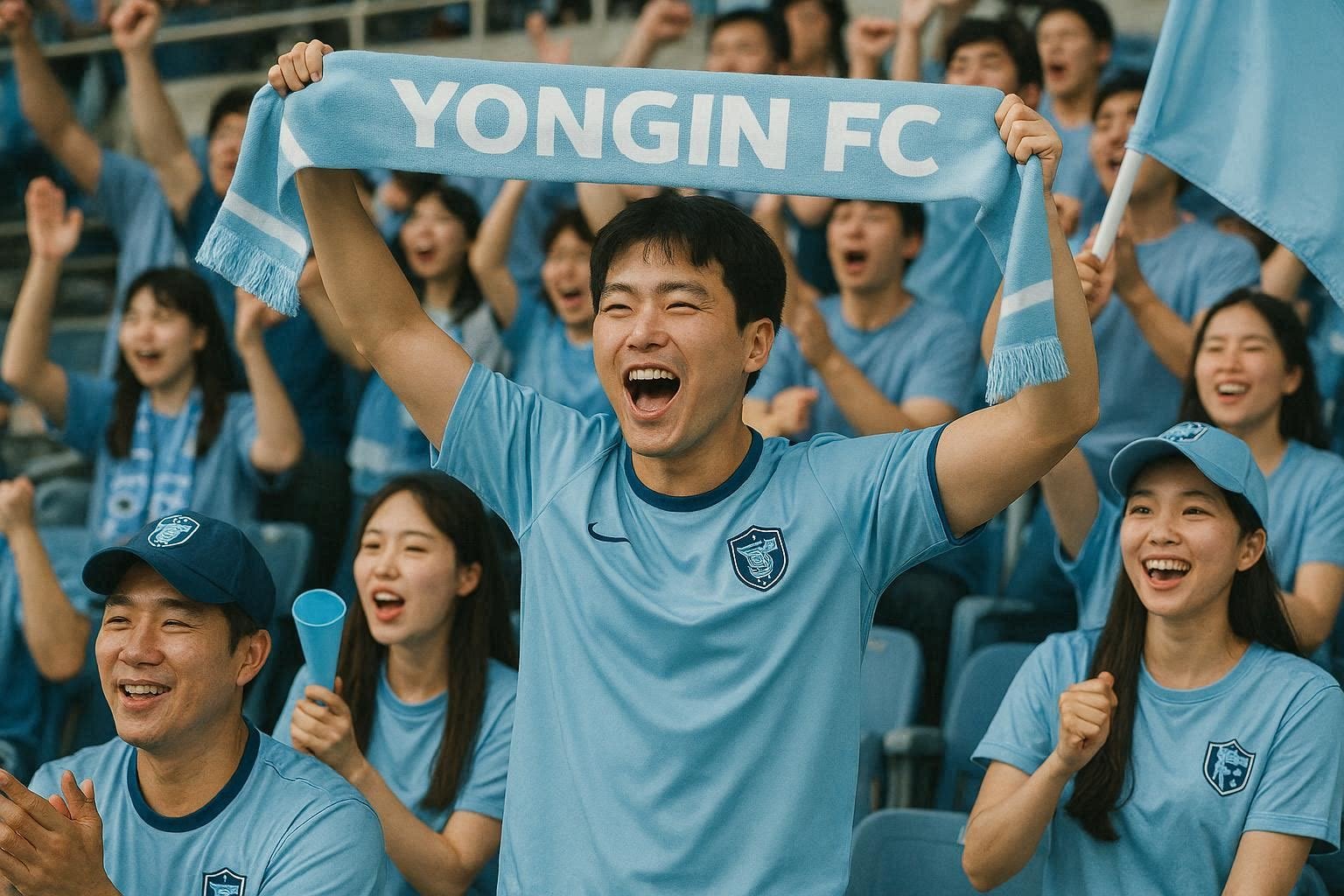
- Behavioral shifts: Stadium audiences adjust their routines — fewer breaks between pitches mean less time for conversation, concessions, or casual observation.
This dynamic highlights how regulation does not simply alter the game; it reshapes the social experience of fandom.
Educational Takeaway: Regulation and Engagement
For readers, the key lesson is that rule changes can unintentionally reshape fan engagement.
- Rhythm matters: Baseball’s appeal lies in its balance of tension and release. Altering the rhythm changes how fans experience suspense.
- Behavioral adaptation: Fans adjust their habits — from how they watch at home to how they move around stadiums.
- Cultural resonance: In Korea, where baseball is deeply tied to community identity, changes in rhythm affect not just entertainment but social rituals.
For context on how baseball’s rhythm has historically shaped fan culture, see The Society for American Baseball Research for studies on pace-of-play and its cultural impact.
Case Study: KT Wiz and Local Fans
For KT Wiz supporters in Suwon, the pace-of-play reforms are not theoretical. They are lived experiences in stadiums and broadcasts.
- Stadium culture: Fans accustomed to long innings and leisurely breaks now find themselves adjusting to quicker transitions.
- Community rituals: Chants, songs, and coordinated cheers must adapt to shorter pauses, reshaping the communal atmosphere.
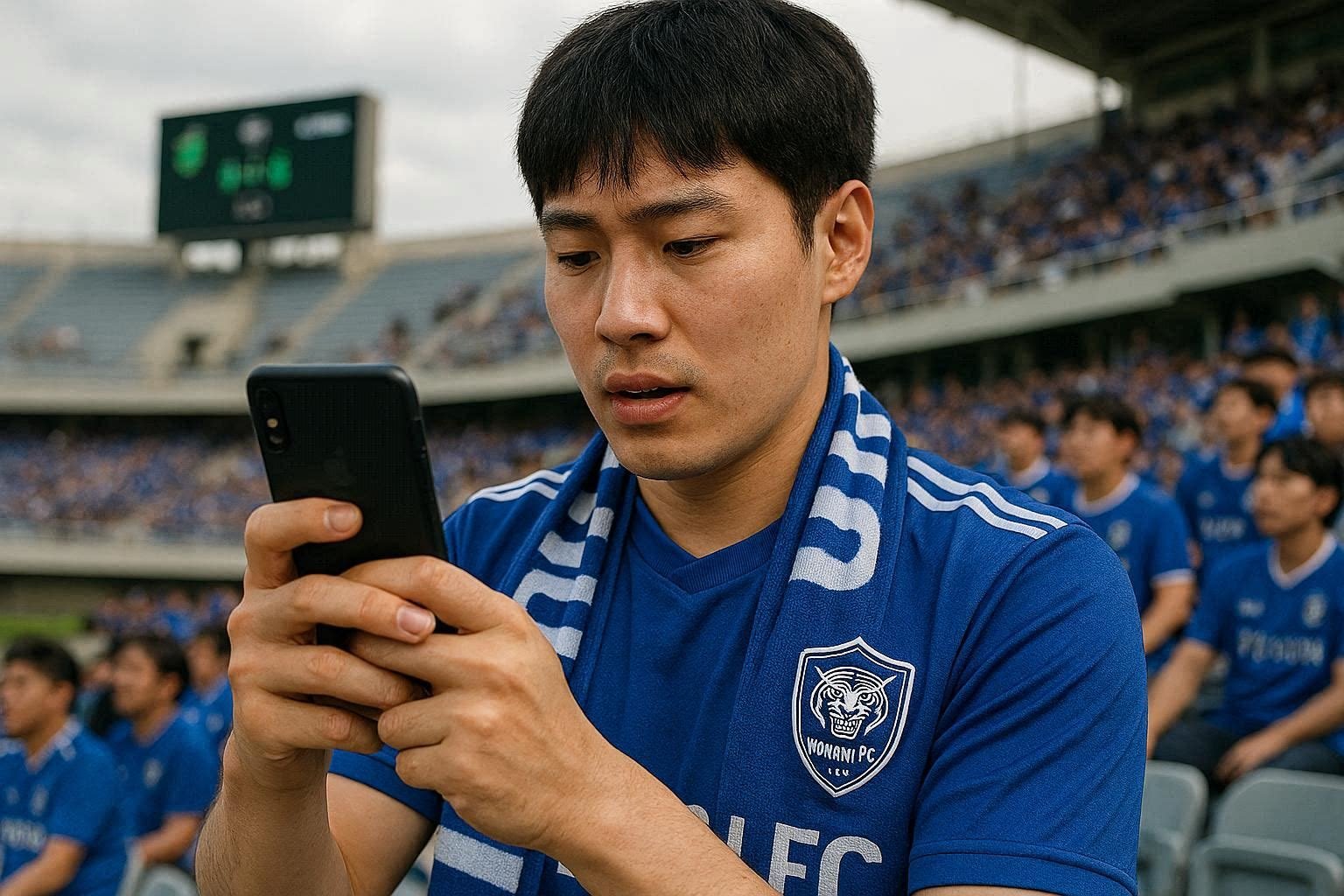
- Viewing habits: Local audiences in Yongin and Gyeonggi-do notice that while the tempo feels faster, the overall game length remains familiar, creating mixed impressions.
This case study illustrates how regulatory tweaks ripple outward, affecting not only players but the cultural fabric of fandom.
Historical Perspective: Baseball’s Pace Debate
The debate over baseball’s length is not new.
- MLB reforms: The introduction of the pitch clock in 2023 reduced average game times, but also sparked debates about tradition versus modernization (ESPN (espn.com in Bing)).
- KBO context: Korea’s league has historically embraced fan-centric culture, with long games serving as social events.
- Cultural tension: Efforts to shorten games must balance efficiency with the communal rituals that define Korean baseball.
This historical perspective shows that pace-of-play reforms are part of a broader global conversation about how sports adapt to modern audiences.
Broader Implications: Regulation as Cultural Force
The KBO’s reforms highlight a broader truth: regulation is not just about efficiency; it is a cultural force.
- Fan trust: Audiences must believe that reforms enhance rather than diminish the game.
- Behavioral shifts: Regulation changes how fans interact with each other, with stadiums, and with broadcasts.
- Cultural identity: In Korea, baseball is more than sport; it is a social ritual. Altering its rhythm reshapes cultural identity.
These implications underscore why pace-of-play reforms must be evaluated not only in terms of minutes saved but in terms of cultural resonance.
Educational Insight: How Rules Shape Systems
For readers new to sports governance, it is useful to understand how rules function:
- Structural impact: Rules shape the flow of play, influencing strategies and outcomes.
- Behavioral impact: Rules alter how players act, which in turn reshapes fan engagement.
- Systemic impact: Rules ripple outward, affecting league structures, broadcast formats, and community culture.
This insight helps readers see regulation as part of a broader system, not just isolated tweaks.
Yongin/Gyeonggi-do Relevance
With KT Wiz based in Suwon, local fans in Yongin and Gyeonggi-do are directly experiencing the effects of pace-of-play reforms.
- Regional identity: Baseball is central to community culture in Gyeonggi-do, making regulatory changes deeply felt.
- Fan adaptation: Local audiences adjust their rituals, chants, and viewing habits to match the new rhythm.
- Educational relevance: For readers, this illustrates how national reforms ripple into local communities, reshaping both sport and culture.
This regional perspective also connects to broader infrastructure developments, such as the completion of G-Stadium in Gwangju, Gyeonggi-do. Together, regulatory reforms and new stadium projects show how the physical and regulatory environments of baseball are evolving simultaneously, reshaping how fans in the region experience the sport.
Conclusion
The KBO’s pace-of-play rules were designed to shorten games and modernize baseball. Yet early reports show that matches remain lengthy, with increased walks and extended innings offsetting the intended efficiency. Fans, meanwhile, are responding with mixed reactions, adapting their engagement to altered rhythms.
The educational takeaway is clear: rule changes can unintentionally reshape fan engagement, as audiences adapt to new rhythms of the game.
For Yongin and Gyeonggi-do, where KT Wiz supporters live the effects firsthand, the reforms highlight how regulation is not just about efficiency but about culture. Baseball’s rhythm is more than a matter of minutes; it is a social ritual, and altering it reshapes the very fabric of fandom.