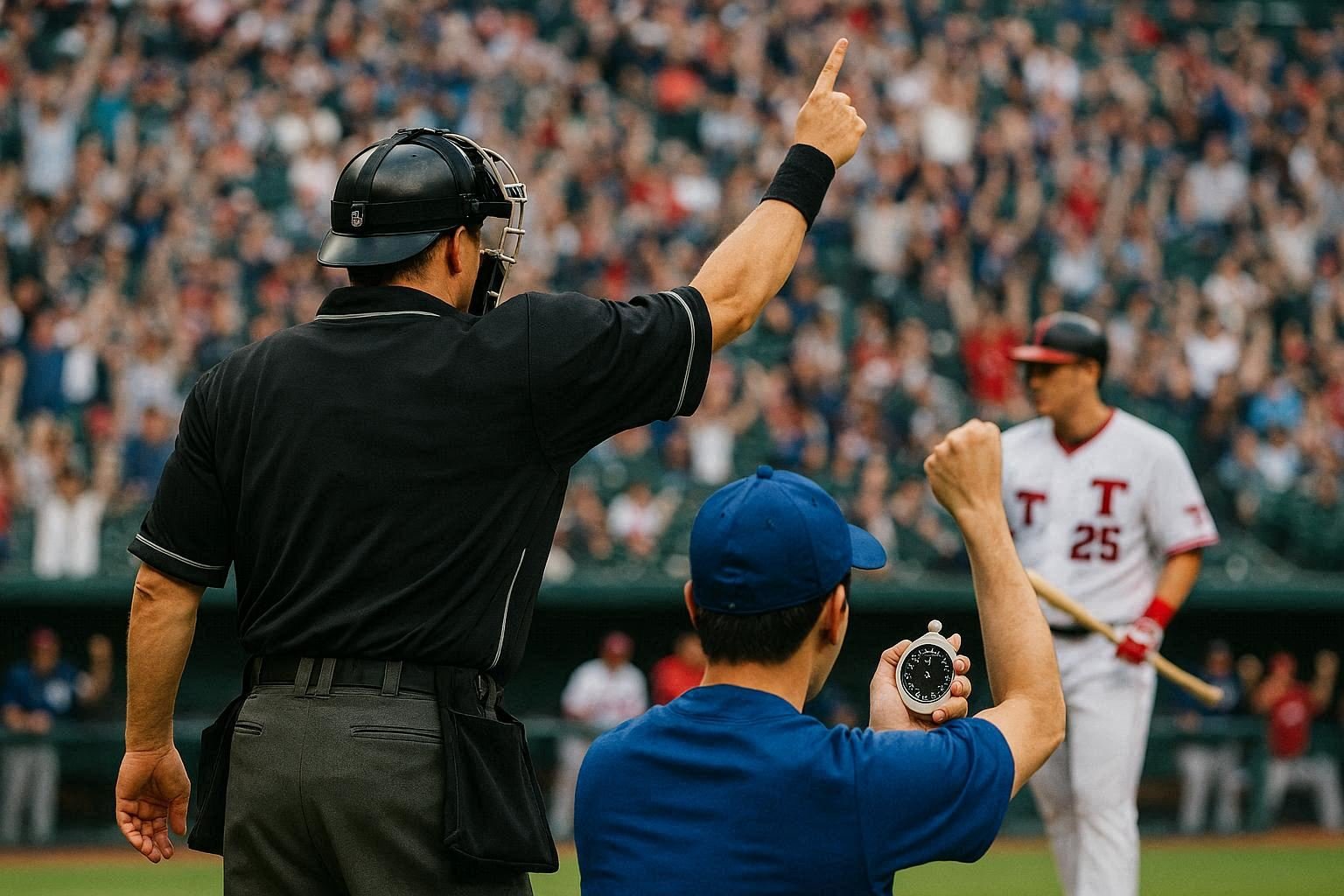


Live events and betting integration refers to the structural connection between real-world events and real-time digital betting systems. Instead of placing decisions only before an event begins, participation now occurs while the event is actively unfolding. Odds update continuously, information changes moment by moment, and decisions are synchronized with live action.
This shift represents more than a product feature. It reflects a fundamental change in timing, feedback, and system design that reshapes how engagement operates in modern betting environments. This specific combination of live events and betting systems has transformed participation and decision-making by turning the event itself into a continuous stream of input. The same dynamics are closely related to why faster feedback increases emotional volatility in high-frequency digital systems.
What Live Events and Betting Integration Means
At its core, live events and betting integration connects event timelines directly to digital systems. As the event progresses, system inputs update in real time, allowing prices and probabilities to change continuously.
Key characteristics include:
Decisions made during live events rather than beforehand
Continuous odds updates based on unfolding information
Multiple decision points within a single event
Immediate feedback instead of delayed outcomes
The event itself becomes the interface through which interaction occurs.
The Shift From Pre-Event Betting to Live Interaction
Traditional betting systems were episodic. A decision was made before an event, followed by a waiting period until the outcome was resolved. Feedback was delayed, and engagement occurred in discrete moments.
Live integration replaces this structure with continuous interaction. Decisions are no longer separated from event time. Instead, they are embedded within it. The event unfolds, information updates, and participation adapts in real time. This transition compresses the distance between observation and decision.
Real-Time Data as the Foundation of Integration
Live betting systems depend on real-time data feeds. These feeds translate event conditions into continuously updating probabilities and prices.
Structurally, this enables:
Rapid response to changing conditions
Immediate incorporation of new information
Short feedback loops between event state and system output
The system’s role shifts from predicting outcomes in advance to interpreting events as they happen.
Increased Decision Density During Live Events
One of the most significant structural changes introduced by live integration is decision density.
In pre-event systems:
One decision often represented the entire event
In live systems:
Multiple decisions can occur within minutes
Each moment creates a new decision window
The same event now supports far more interaction without lasting longer. Engagement increases per unit of time, not per event.
Timing Compression and Cognitive Load
Live events already demand attention through uncertainty, emotion, and narrative progression. When betting systems integrate directly into this timeline, decision-making occurs under tighter time constraints.
As a result:
Reflection time decreases
Decisions become more reactive
Short-term signals carry more weight
These effects are not caused by individual behavior. They are structural outcomes of compressed timing and immediate feedback.
Why Live Betting Integration Feels Intuitive
Live integration feels natural because it aligns with how people already experience events. Viewers respond to momentum shifts, critical moments, and visible changes in real time.
Betting integration formalizes these reactions into structured decision points. The system does not create new attention patterns. It captures and organizes existing ones.
The Role of Streaming and Live Media
Live betting integration is reinforced by media technologies such as:
Live streaming
Real-time statistics
On-screen data overlays
These elements reduce information lag and strengthen the perception that the system is synchronized with reality. The tighter the synchronization, the more seamless the integration feels.
Behavioral Effects of Live Betting Integration
Live events and betting integration produces consistent behavioral patterns:
Greater focus on short-term signals
Increased responsiveness to visible momentum
Reduced emphasis on long-term evaluation
These patterns emerge from system design rather than personal traits. Timing and feedback shape behavior before intention plays a role.
Why Live Integration Drives Market Growth
From a system perspective, live integration increases:
Engagement frequency
Interaction density per event
Utilization of existing event timelines
The same event can support more interaction without requiring more participants or longer events. Growth occurs through temporal efficiency, not audience expansion.
Live Integration as a Structural Trend
The rapid expansion of live betting integration was enabled by:
Faster data transmission
Reduced latency
Mobile-first access
Continuous pricing systems
These changes made real-time integration technically viable. Human behavior did not fundamentally change. The structure did.
Why This Topic Matters
Understanding live events and betting integration helps explain:
Why engagement feels more intense during live events
Why decision frequency increased without longer sessions
Why short-term outcomes feel more meaningful
Academic research on in-play betting confirms that faster event synchronization increases decision frequency and emotional involvement without changing underlying probabilities.
Closing Perspective
Live events and betting integration transformed betting from a pre-event activity into a real-time interaction system. The event became the interface, time became the organizing principle, and engagement became continuous.
This transformation did not increase interest in events. It increased interaction within them. By aligning digital systems with unfolding reality, live integration reshaped how participation occurs—moment by moment, rather than before or after.