
Introduction
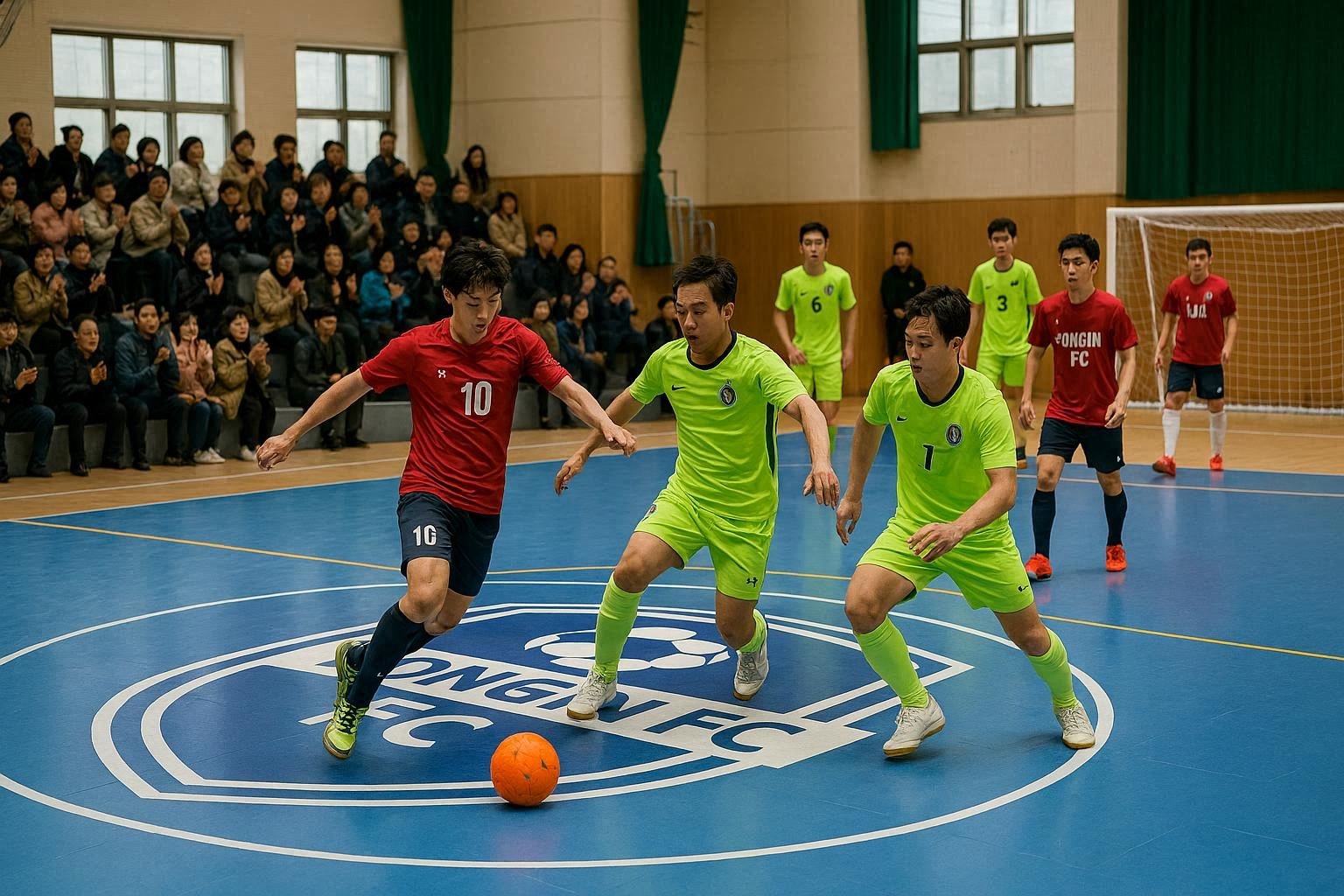
In March 2026, Yongin FC hosted a series of workplace and women’s amateur futsal tournaments that drew hundreds of participants and spectators. While the matches themselves were lively and competitive, the deeper significance lay in how these events transformed local sports culture. By inviting citizens not only to watch but to play, Yongin FC reinforced the idea that sports are not just entertainment but a shared community identity.
Expanding the Role of Local Clubs
Yongin FC’s initiative reflects a growing trend among Korean sports institutions: moving beyond elite competition to embrace grassroots participation. Workplace teams brought colleagues together in a new setting, while women’s amateur squads highlighted inclusivity and representation. The tournaments were structured to be accessible, with clear rules, community-based organization, and a celebratory atmosphere that encouraged families and friends to attend.
This approach demonstrates how clubs can serve as community anchors, embedding sports into everyday life rather than limiting engagement to professional matches.
From Spectatorship to Participation
Traditionally, fan culture has been defined by spectatorship — cheering from the stands or following teams online. Yongin FC’s futsal tournaments illustrate a shift toward participatory culture. Citizens became players, referees, organizers, and supporters, blurring the line between athlete and fan.
- Active Identity Formation: By playing, citizens internalize sports as part of their lifestyle, not just entertainment.
- Community Bonding: Workplace teams strengthened camaraderie, while women’s tournaments created new networks of support and visibility.
- Fan Culture Evolution: Participation fosters deeper loyalty to the club, as fans feel personally invested in its ecosystem.
This participatory model reflects broader behavioral insights: people are more likely to sustain long-term engagement when they are active contributors rather than passive consumers.
Grassroots Sports Ecosystems
The tournaments serve as a case study in how grassroots sports ecosystems expand participation. Yongin FC’s model shows that structured amateur competitions can be powerful tools for building long-term engagement.
Key Lessons
- Accessibility Matters: By lowering barriers to entry, clubs can attract diverse participants — from office workers to women balancing family and sport.
- Structured Competition: Organized tournaments provide legitimacy and continuity, ensuring that amateur play is taken seriously.
- Community Identity: Grassroots sports become identity markers, reinforcing local pride and belonging.
- Sustainability: Participation-driven ecosystems create a pipeline of future fans, volunteers, and even semi-professional athletes.
This aligns with global trends where clubs increasingly invest in community programs to strengthen their social footprint.
Balancing Digital and Physical Engagement
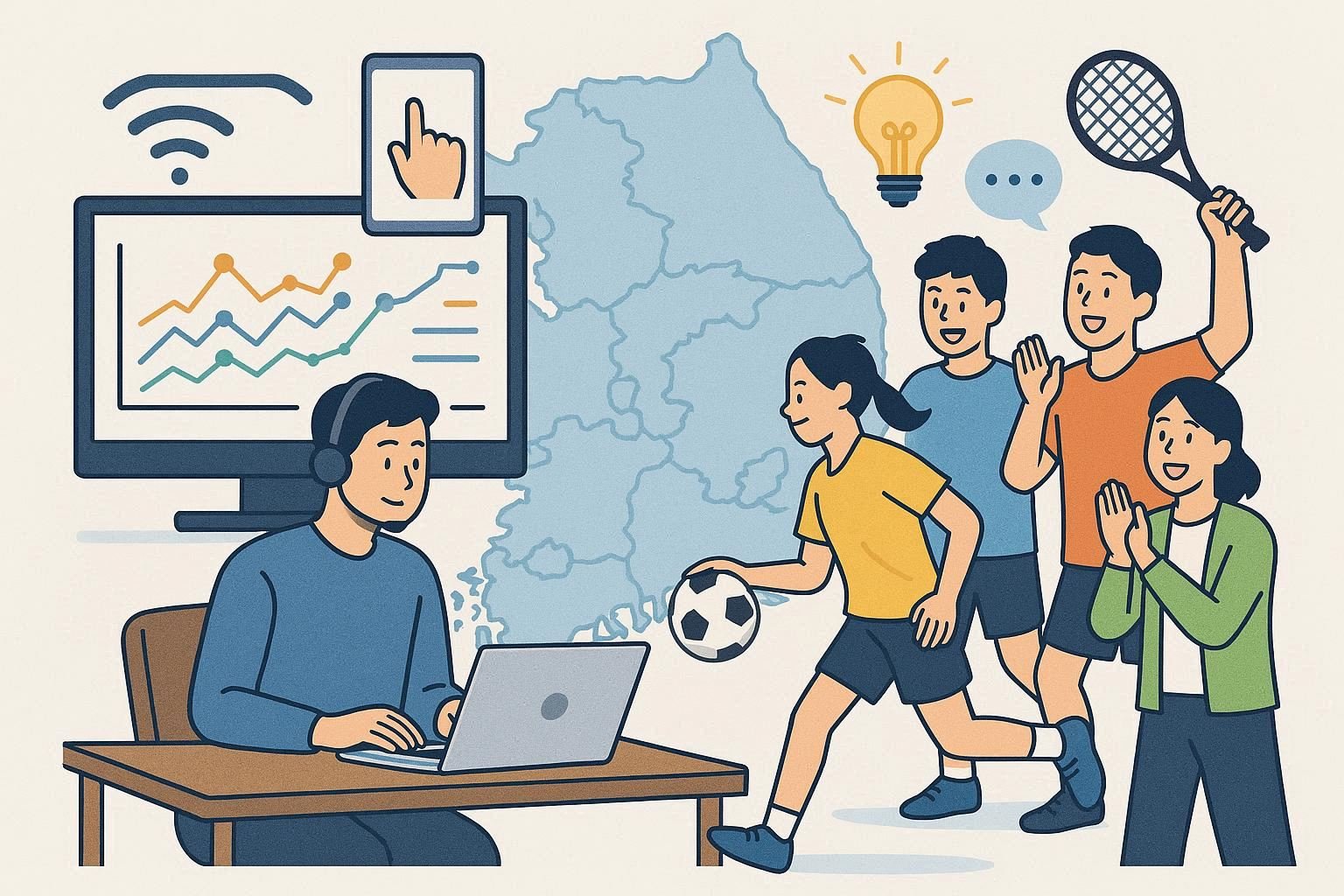
Modern fan culture often leans heavily on digital platforms — streaming, social media, and online communities. While these tools expand reach, they risk reducing engagement to passive consumption. Yongin FC’s futsal tournaments counterbalance this by embedding sports into everyday life.
- Reducing Reliance on Digital-Only Engagement: Physical participation ensures that fans connect with the club beyond screens.
- Health and Lifestyle Benefits: Encouraging citizens to play promotes wellness, reducing risks associated with sedentary digital habits.
- Resilience of Fan Culture: By diversifying engagement channels, clubs safeguard against fluctuations in online trends or platform algorithms.
For comparison, see Mobile-First and Digital Experiences Dominating Play, which explores how digital-first strategies shape engagement. Yongin FC’s tournaments highlight the importance of balancing these digital trends with tangible, community-based participation.
Cultural and Social Implications
The tournaments highlight several broader cultural shifts:
- Gender Inclusion: Women’s amateur tournaments challenge stereotypes and expand opportunities for female athletes.
- Workplace Integration: Sports become a tool for corporate wellness and team-building, reinforcing the idea that athletic participation is part of professional life.
- Local Identity: Citizens see themselves reflected in the club’s activities, strengthening loyalty and civic pride.
These implications show how sports can function as a social glue, binding diverse groups together through shared play.
Conclusion
Yongin FC’s workplace and women’s amateur futsal tournaments in March 2026 were more than recreational events. They were strategic investments in community identity, participatory fan culture, and grassroots sports ecosystems. By embedding sports into everyday life, Yongin FC reduced reliance on digital-only engagement and reinforced the idea that athletic participation is a collective experience.
For readers, the lesson is clear: sports clubs thrive when they move beyond elite competition to embrace community participation. Yongin FC’s model demonstrates how structured amateur tournaments can deepen citizen engagement, foster inclusivity, and build sustainable fan cultures that endure both online and offline.
Further Reading
- Mobile-First and Digital Experiences Dominating Play — how digital-first strategies shape engagement.
- FIFA Grassroots Development Programme — global initiatives to expand participation in football and futsal.
- International Olympic Committee: Community Engagement in Sport— IOC’s framework for embedding sports into community life.
- UNESCO’s Education and Sport Report — highlighting international standards for integrating sports into broader educational priorities.