
Introduction
South Korea’s National Assembly is currently debating the proposed Online Platform Fairness Bill, a landmark piece of legislation that would expand the Korea Fair Trade Commission’s (KFTC) authority over digital platforms. The bill has ignited discussions across industries, civic groups, and local communities, including Yongin residents, who increasingly rely on online platforms for everything from sports streaming to workplace communication. At its core, the bill raises questions about fairness, transparency, and consumer protection in the digital age.
Expanding Oversight in the Digital Economy
The Online Platform Fairness Bill seeks to strengthen the KFTC’s regulatory reach over major digital platforms. This includes e-commerce marketplaces, app stores, streaming services, and social media networks. The legislation is designed to address concerns about market dominance, opaque algorithms, and unfair trade practices that can disadvantage smaller businesses and limit consumer choice.
For citizens, the bill signals that everyday digital interactions are no longer seen as private or neutral spaces. Instead, they are part of a regulated ecosystem where government oversight ensures that platforms operate fairly and transparently.
Yongin Residents and Digital Oversight
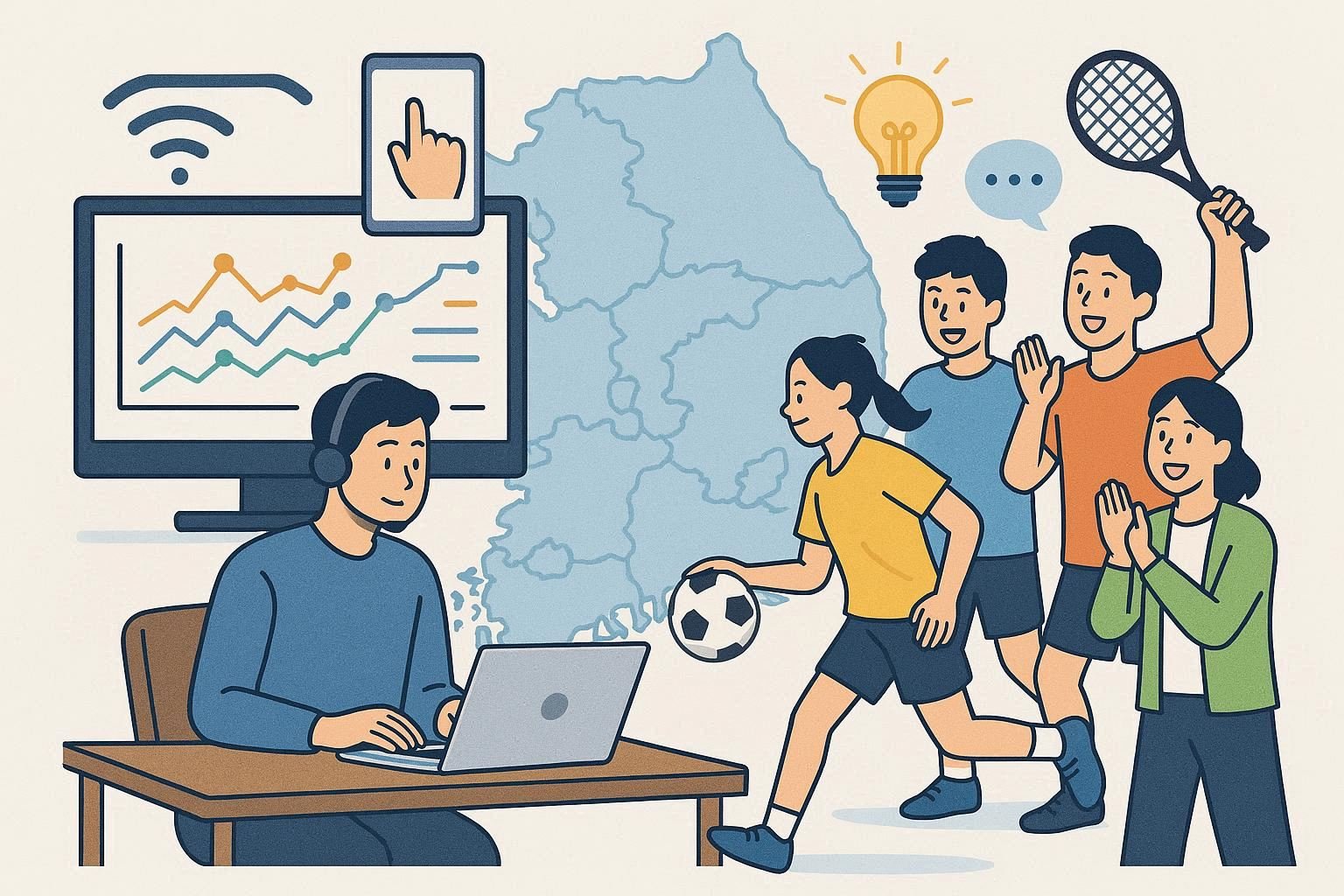
For residents of Yongin, the bill highlights how user behavior on digital platforms is increasingly subject to regulatory scrutiny. Whether watching local futsal highlights online, shopping through mobile apps, or engaging in workplace communication tools, citizens are part of a system where platform rules and government oversight intersect.
- Transparency in Algorithms: Users want clarity on how recommendations are made — whether in sports content feeds or product listings.
- Fairness in Access: Small businesses and local creators in Yongin worry about being overshadowed by larger players unless platforms are held accountable.
- Consumer Protection: Citizens expect safeguards against misleading advertising, hidden fees, or exploitative terms of service.
This behavioral shift reflects a growing awareness that digital engagement is not just personal choice but part of a broader governance framework.
Regulation Shapes Digital Engagement
The bill provides a framework for understanding how regulation shapes digital engagement. It demonstrates that everyday interactions — from sports streaming to social media — are tied to governance structures that balance innovation with accountability.
Key Lessons
- Platforms as Public Infrastructure: Digital platforms function like utilities, shaping how citizens access information, entertainment, and commerce.
- Regulation as a Balancing Act: Oversight ensures fairness but must avoid stifling innovation.
- Citizen Awareness: Users must understand that their digital behaviors are influenced by both platform design and regulatory rules.
- Global Comparisons: Similar debates are unfolding worldwide, from the EU’s Digital Markets Act to U.S. antitrust investigations, showing Korea’s alignment with global governance trends.
Media Literacy and User Awareness
The debate underscores the importance of media literacy and user awareness. Citizens must recognize how platform rules and government oversight affect the credibility and accessibility of the content they consume.
- Credibility of Information: Oversight can reduce misinformation, but users must remain critical of sources.
- Accessibility of Content: Regulation may ensure fairer access, but users should be aware of how rules shape what they see and consume.
- User Responsibility: Awareness of terms of service, privacy policies, and platform governance helps citizens make informed choices.
For Yongin residents, this means understanding that their digital sports highlights, workplace apps, or social media feeds are not neutral — they are curated, regulated, and shaped by both corporate and governmental forces. For a broader cultural perspective, see Regional Acceptance of Betting Culture: Worldviews and Social Attitudes, which explores how societal attitudes toward fairness and risk shape engagement across different regions.
Broader Implications
The Online Platform Fairness Bill has implications beyond consumer protection:
- Economic Equity: Small businesses gain a fairer chance to compete in digital marketplaces.
- Cultural Representation: Local content creators may benefit from transparency in recommendation systems.
- Global Positioning: Korea positions itself as a leader in digital governance, aligning with international standards while tailoring policies to national needs.
Conclusion
South Korea’s Online Platform Fairness Bill represents a pivotal moment in the governance of digital ecosystems. By expanding the KFTC’s authority, the legislation seeks to ensure fairness, transparency, and consumer protection in spaces that have become central to everyday life.
For citizens — including those in Yongin — the bill is a reminder that digital engagement is inseparable from governance. From sports streaming to workplace apps, user experiences are shaped by both platform design and regulatory oversight. The debate highlights the need for media literacy, user awareness, and active participation in shaping the future of digital fairness.
Further Reading
- Regional Acceptance of Betting Culture: Worldviews and Social Attitudes — how cultural attitudes toward fairness and risk influence engagement.
- EU Digital Markets Act (europa.eu)— Europe’s framework for regulating large online platforms.
- OECD Report on Platform Governance — global perspectives on fairness and transparency in digital ecosystems.
- UNESCO Media and Information Literacy Resources — tools for strengthening citizen awareness in digital environments.