
Introduction
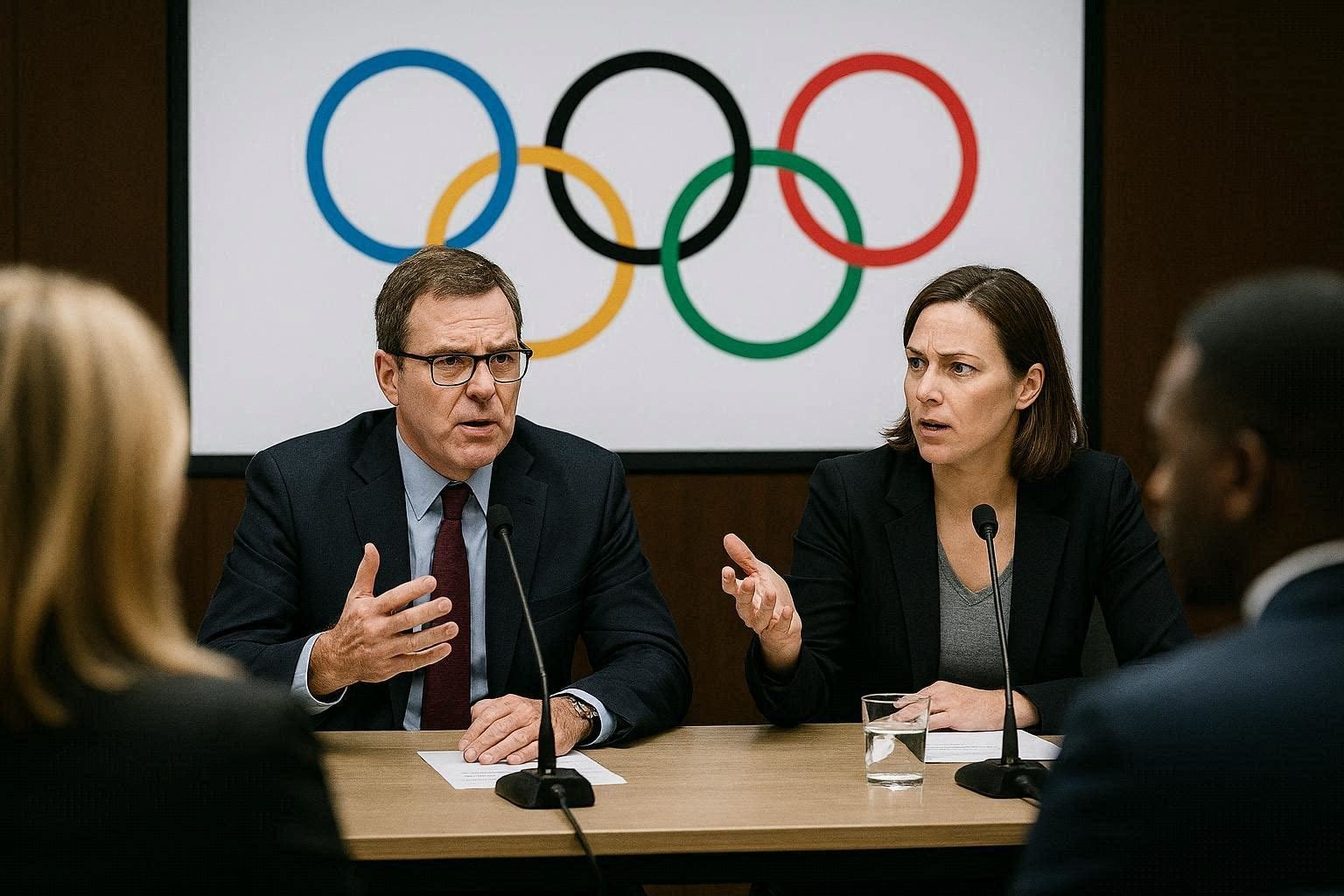
South Korea’s proposed Online Platform Regulation Act has become one of the most hotly debated policy initiatives in recent years. While much of the public discussion has centered on e-commerce, advertising, and social media, the Act’s implications for sports broadcasting and fan engagement are equally significant. As sports consumption increasingly shifts to digital platforms, questions of information credibility, consumer protection, and platform accountability directly shape how fans experience their favorite teams and athletes.
For Yongin and the broader Gyeonggi-do region—areas known for digital innovation and vibrant fan communities—the debate is more than abstract policy. It is a conversation about how regulation can ensure safe, credible, and sustainable sports ecosystems in the digital age.
Background: The Online Platform Regulation Act
The proposed Act seeks to establish clearer rules for digital platforms operating in South Korea. Its goals include:
- Consumer Protection: Safeguarding users from misinformation, fraud, and exploitative practices.
- Platform Accountability: Ensuring platforms take responsibility for the content they host and distribute.
- Information Credibility: Promoting transparency in how information is shared and moderated.
These objectives reflect broader global trends. Governments worldwide are grappling with how to regulate platforms that have become central to commerce, communication, and culture (OECD Digital Policy). In Korea, the debate is particularly relevant to sports, where digital platforms now dominate broadcasting, commentary, and fan interaction.
Sports Media Ecosystems in the Digital Age
Sports coverage has undergone a dramatic transformation in the past decade:
- Streaming Platforms: Fans increasingly rely on digital services to watch live games, highlights, and replays (Korea Herald).
- Social Media: Platforms like YouTube, Twitter/X, and TikTok amplify fan engagement, offering instant commentary and viral clips.
- Fan Communities: Online forums and apps provide spaces for discussion, analysis, and cultural exchange.
These ecosystems thrive on accessibility and immediacy. Yet they also face risks: misinformation, unverified reporting, exploitative monetization, and uneven accountability.
Analytical Angle: Regulation Meets Sports Media
1. Information Credibility
Sports fans demand accurate coverage. Whether it’s a transfer rumor, injury update, or match result, credibility is paramount.
- Challenge: Unverified reports can spread rapidly, misleading fans and damaging reputations.
- Regulatory Implication: Platforms may be required to implement stricter verification processes, ensuring that sports content meets credibility standards.
- Impact on Fans: Greater reliability in sports news could enhance trust, but overregulation might slow the flow of information that fans crave.
2. Consumer Protection
Digital sports platforms often monetize through subscriptions, pay-per-view events, and microtransactions.
- Challenge: Fans risk being misled by unclear pricing, hidden fees, or fraudulent streams.
- Regulatory Implication: The Act could mandate clearer disclosures and stronger protections against exploitative practices (Yonhap News (en.yna.co.kr in Bing)).
- Impact on Fans: Transparency in pricing and service quality would empower consumers, reducing risks of exploitation.
3. Platform Accountability
Platforms play a central role in shaping fan experiences.
- Challenge: When misinformation spreads or exploitative practices occur, platforms often deflect responsibility.
- Regulatory Implication: The Act could hold platforms accountable for the sports content they host, requiring proactive moderation and compliance (Korea JoongAng Daily (koreajoongangdaily.joins.com in Bing)).
- Impact on Fans: Accountability would foster safer ecosystems, but platforms may pass compliance costs onto consumers.
Educational Takeaway: Media Literacy and Risk Awareness
For readers, the debate underscores the importance of media literacy and risk awareness when engaging with sports coverage online.
- Media Literacy: Fans must learn to distinguish credible sources from unreliable ones, especially in fast-moving sports environments.
- Risk Awareness: Understanding the risks of misinformation, exploitative monetization, and platform bias helps fans make informed choices.
- Active Engagement: Regulation can provide safeguards, but fans themselves must remain vigilant, questioning sources and verifying information.
This educational dimension is critical. Regulation alone cannot guarantee safe ecosystems; informed consumers are equally essential.
Yongin/Gyeonggi-do Relevance
Yongin, located in Gyeonggi-do, is a city with strong ties to digital innovation and fan communities.
- Digital Innovation: Yongin’s tech-savvy population is deeply engaged with digital platforms, making the city a microcosm of national trends.
- Fan Communities: Local sports fans, particularly those following K League clubs and esports, rely heavily on digital platforms for coverage and engagement.
- Broader Conversation: Yongin residents are part of the national debate, experiencing firsthand how regulation shapes safe and credible sports ecosystems.
The city’s role highlights how local communities intersect with global governance debates, reinforcing the importance of civic participation in shaping digital futures. Yongin Insider has explored similar themes in sports regulation, analyzing how pace-of-play rules in baseball influence fan behavior and engagement (Yongin Insider). Together, these discussions show how regulation—whether in sports or digital platforms—shapes the rhythm of fan culture.
Industry and Civic Response
Stakeholders across the sports ecosystem have responded to the proposed Act with mixed reactions:
- Sports Broadcasters: Traditional broadcasters welcome regulation that levels the playing field with digital platforms.
- Digital Platforms: Companies express concern about compliance costs and potential restrictions on innovation.
- Fans: Many support measures that enhance credibility and protection, but worry about reduced access or increased costs.
- Policy Experts: Analysts emphasize the need for balance, ensuring regulation protects consumers without stifling innovation.
This diversity of perspectives reflects the complexity of the issue. No single stakeholder can dictate outcomes; collaboration is essential.
Comparative Perspective: Global Trends
South Korea’s debate mirrors global discussions about platform regulation:
- United States: Debates focus on Section 230 of the Communications Decency Act, which shields platforms from liability (Electronic Frontier Foundation).
- Europe: The Digital Services Act emphasizes platform accountability and consumer protection (European Commission (digital-strategy.ec.europa.eu in Bing)).
- China: Regulations are stricter, with government oversight of digital platforms and content (SCMP).
Korea’s proposed Act positions the country between these models, seeking to balance accountability with innovation. For sports ecosystems, this balance is particularly delicate.
Challenges Ahead
Despite the promise of regulation, challenges remain:
- Defining Credibility: Establishing clear standards for credible sports content is complex.
- Balancing Innovation: Regulation must protect consumers without stifling creativity and accessibility.
- Global Platforms: International platforms may struggle to comply with Korean regulations, complicating enforcement.
- Fan Expectations: Fans demand immediacy and accessibility, which may conflict with regulatory safeguards.
Addressing these challenges will require ongoing dialogue between regulators, platforms, and fan communities.
Educational Framework for Readers
To analyze the debate, readers can apply the following framework:
- Identify Stakeholders: Regulators, platforms, broadcasters, fans.
- Understand Goals: Credibility, protection, accountability.
- Evaluate Tools: Verification processes, transparency requirements, accountability mechanisms.
- Assess Balance: How well does regulation protect consumers without stifling innovation?
This framework empowers readers to critically engage with the debate, enhancing media literacy and risk awareness.
Future Outlook
Looking ahead, the Online Platform Regulation Act will shape Korea’s sports media ecosystems in several ways:
- Enhanced Credibility: Stricter standards could improve trust in sports coverage.
- Consumer Empowerment: Transparency and protection measures would reduce risks for fans.
- Platform Accountability: Holding platforms responsible could foster safer ecosystems.
- Local Engagement: Cities like Yongin will continue to play a role in shaping national debates, reflecting the intersection of local communities and global governance.
The success of the Act will depend on effective enforcement, industry cooperation, and fan participation.
Conclusion
The debate over South Korea’s Online Platform Regulation Act highlights the complexity of regulating digital ecosystems. For sports media, the stakes are high: credibility, protection, and accountability directly shape how fans consume content.
For readers, the case underscores the importance of media literacy and risk awareness. Regulation can provide safeguards, but informed consumers remain essential. In Yongin and across Gyeonggi-do, residents are part of the broader conversation, experiencing firsthand how regulation shapes safe and credible sports ecosystems.
As Korea navigates this debate, the outcome will not only affect digital platforms but also redefine the future of sports broadcasting and fan engagement in the digital age.