Introduction
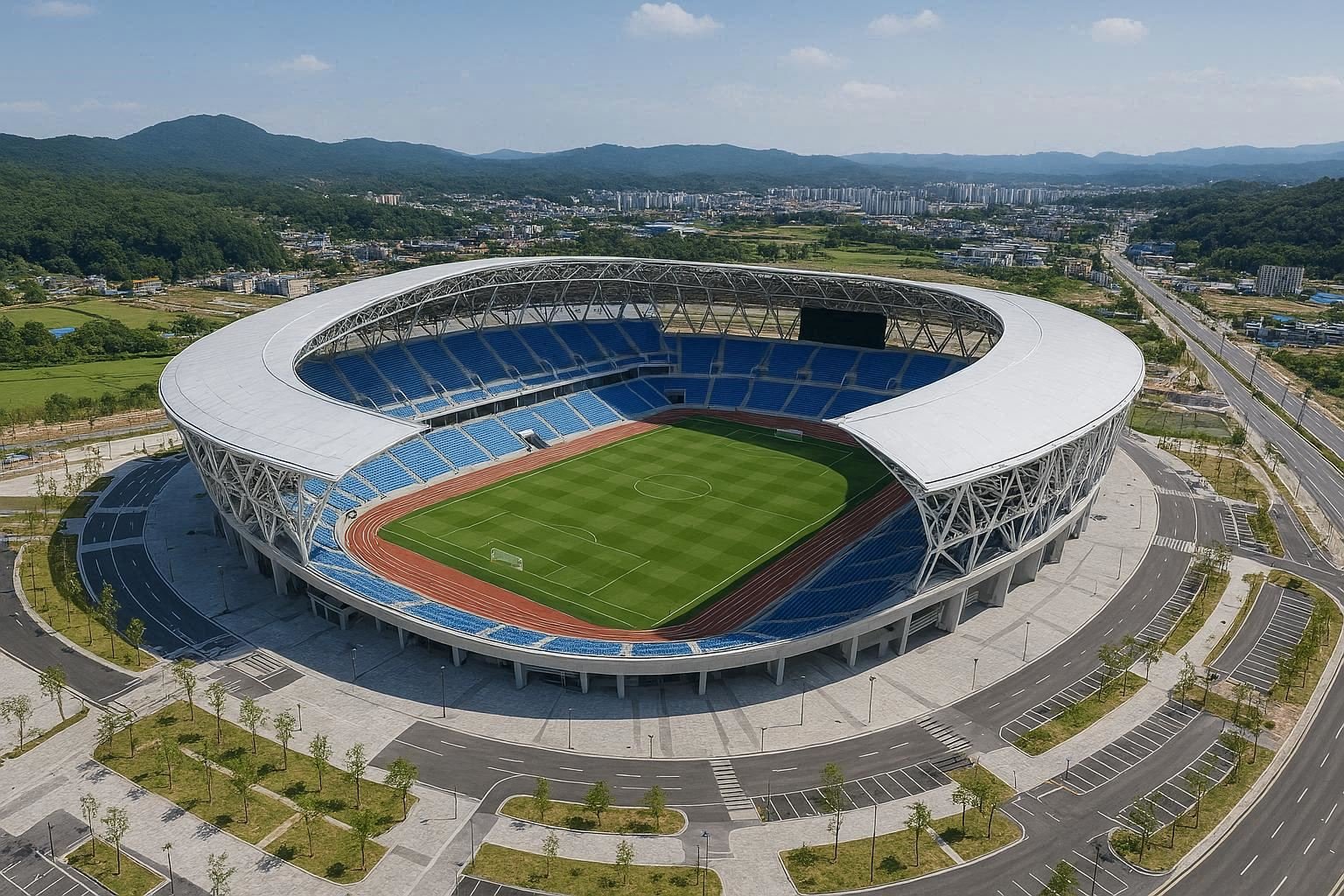
In April 2026, Daebo Construction announced the completion of G Stadium in Gwangju, Gyeonggi Province. The new facility is set to host the upcoming Gyeonggi Provincial Sports Festival and Para Sports Festival, marking a milestone in regional sports infrastructure. While the announcement highlights a venue ready for competition, its deeper significance lies in how such investments reshape community engagement, digital participation, and regional identity. For readers in Yongin and across Gyeonggi-do, the story of G Stadium illustrates how sports facilities are more than physical structures — they are catalysts for hybrid engagement models that blend offline and online fan behavior.
Context: Why G Stadium Matters
Sports facilities are central to how communities experience athletic culture. G Stadium’s completion is not just about providing a venue for competitions; it represents a broader commitment to inclusivity, accessibility, and civic pride.
- Provincial Sports Festival: A flagship event that brings together athletes from across Gyeonggi-do, reinforcing regional unity.
- Para Sports Festival: Hosting para-athletes highlights inclusivity, ensuring that sports culture reflects diverse participation.
- Symbolic Value: The stadium signals Gwangju’s growing role in Gyeonggi-do’s sports ecosystem, complementing existing facilities in Suwon, Yongin, and other cities.
Community Engagement: Reinforcing Regional Identity
The completion of G Stadium encourages residents to participate in sports festivals, reinforcing civic and regional identity:
- Local Pride: Hosting major events strengthens Gwangju’s reputation as a sports hub within Gyeonggi-do.
- Participation Opportunities: Residents can engage as athletes, volunteers, or spectators, deepening their connection to community life.
- Cultural Continuity: Sports festivals become annual traditions, embedding themselves into the cultural fabric of the region.
For Yongin readers, this demonstrates how infrastructure projects in neighboring cities contribute to a shared Gyeonggi-do identity.
Digital Ecosystem Link: Hybrid Engagement Models
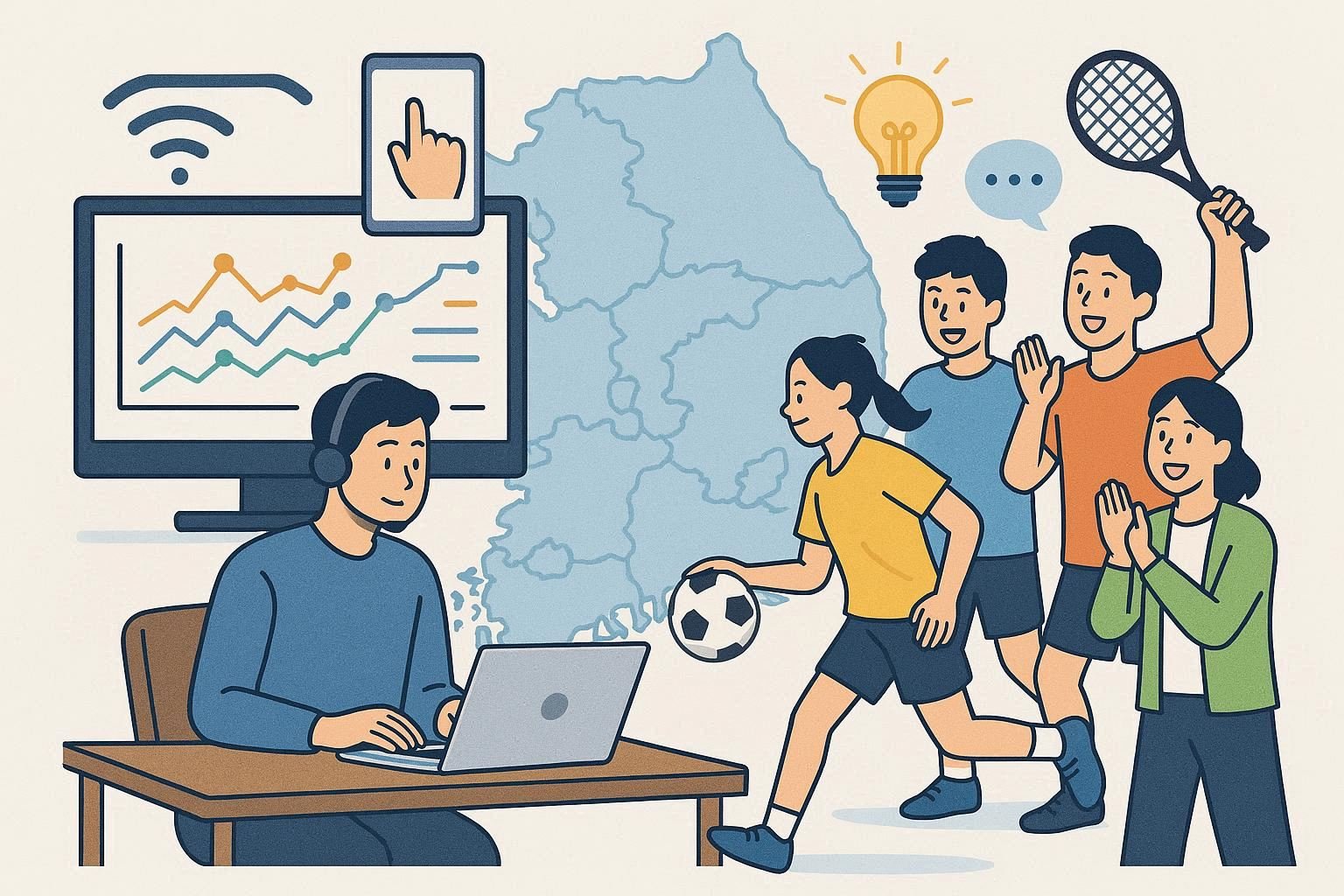
Modern sports facilities are not just physical venues; they are nodes in a digital ecosystem. Coverage of G Stadium’s events will likely be amplified through streaming platforms and social media:
- Streaming Access: Fans unable to attend in person can watch live broadcasts, expanding the reach of provincial events.
- Social Media Amplification: Highlights, interviews, and fan reactions circulate online, creating digital communities around local sports.
- Hybrid Participation: Residents may attend physically while simultaneously engaging digitally, sharing experiences in real time.
This hybrid model reflects how sports consumption is evolving, blending offline attendance with online interaction.
Educational Value: Understanding Infrastructure’s Role
For beginners, G Stadium provides a clear example of how regional investments in sports facilities reshape fan behavior:
- Offline Engagement: Facilities provide spaces for physical participation, from playing fields to spectator stands.
- Online Engagement: Digital coverage ensures accessibility, allowing fans to follow events regardless of location.
- Hybrid Models: The combination of offline and online engagement creates new forms of participation, where fans are both attendees and digital contributors.
This educational perspective helps readers see how infrastructure projects influence broader sports ecosystems.
Regional Relevance: Gyeonggi-do’s Sports Landscape
G Stadium’s completion underscores Gyeonggi-do’s commitment to sports development:
- Balanced Growth: By investing in facilities across multiple cities, the province ensures equitable access to sports culture.
- Complementary Infrastructure: G Stadium complements existing venues in Suwon, Yongin, and other cities, creating a network of sports hubs.
- Provincial Identity: Hosting festivals in Gwangju reinforces the idea that sports are a shared cultural resource across Gyeonggi-do.
For Yongin readers, this shows how regional investments shape collective identity, connecting local communities to provincial narratives.
Behavioral Insight: How Fans Engage
The completion of G Stadium also provides insight into how fans engage with sports content:
- Event Attendance: New facilities encourage higher turnout, as modern amenities improve the spectator experience.
- Digital Sharing: Fans increasingly document and share experiences online, creating secondary layers of engagement.
- Community Participation: Local residents often volunteer or contribute to event organization, reinforcing civic bonds.
These behavioral patterns highlight how infrastructure projects influence both individual and collective engagement.
Comparative Insight: Global Trends
G Stadium’s completion reflects global trends in sports infrastructure:
- Inclusivity: Modern facilities prioritize accessibility for para-athletes and diverse participants.
- Digital Integration: Venues are designed with broadcasting and streaming in mind, ensuring seamless digital coverage.
- Community Focus: Facilities serve not just professional athletes but also local communities, reinforcing civic identity.
Understanding these trends helps readers situate G Stadium within broader global narratives of sports development.
Broader Implications: Sports and Civic Development
The story of G Stadium illustrates broader principles of how sports intersect with civic development:
- Economic Impact: Hosting festivals generates activity for local businesses, from hospitality to retail.
- Cultural Diplomacy: Sports events showcase regional identity, contributing to Korea’s broader cultural narratives.
- Policy Alignment: Infrastructure projects align with national goals of promoting health, inclusivity, and community engagement.
These implications show how sports facilities are embedded in broader societal frameworks. They also connect to ongoing debates about how digital platforms shape participation and fairness in Korea’s information ecosystem, such as the Online Platform Fairness Bill currently sparking debate (South Korea’s Online Platform Fairness Bill Sparks Debate). Together, these developments highlight how physical infrastructure and digital regulation both influence how communities engage with sports and media.
Conclusion
The completion of G Stadium in Gwangju, Gyeonggi-do is more than an infrastructure milestone — it is a cultural and behavioral turning point. By hosting the Gyeonggi Provincial Sports Festival and Para Sports Festival, the stadium reinforces regional identity, promotes inclusivity, and creates opportunities for hybrid engagement models that blend offline attendance with digital participation.
For Yongin readers, the story of G Stadium demonstrates how regional investments in sports facilities reshape both fan behavior and civic identity. As Gyeonggi-do continues to expand its sports infrastructure, facilities like G Stadium will serve as catalysts for community engagement, digital amplification, and cultural continuity, ensuring that sports remain a central part of regional life.
Further Reading
- Korea Sports Promotion Foundation — information on national sports development initiatives.
- Gyeonggi Provincial Government — updates on regional infrastructure and cultural projects.
- UNESCO Sport and Community Resources — global perspectives on sports and civic identity.
- Korea Paralympic Committee — background on para sports development in Korea.
- South Korea’s Online Platform Fairness Bill Sparks Debate — analysis of how digital regulation intersects with sports and media ecosystems.